
This paper Developing Robust Project Pipelines for Low-Carbon Infrastructure aims to provide policymakers with a comprehensive examination of “project pipelines”, a common concept in infrastructure planning and investment discussions, and one which has become a focal point in countries’ efforts to implement their climate commitments.
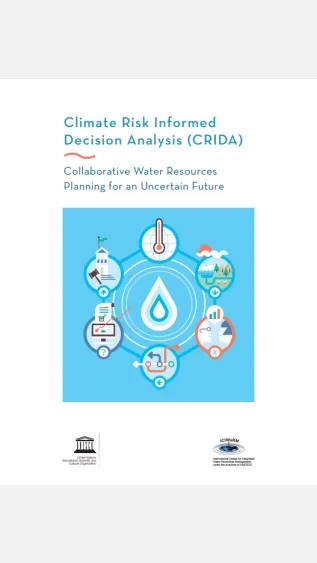
The Climate Risk-Informed Decision Analysis (CRIDA) provides a crucial framework to enable water managers and policy makers to assess the impact of climate uncertainty and change on their water resources and work towards effective adaptation strategies.

Released in advance of the 2018 UN Convention on Biological Diversity Conference of the Parties meeting, Nature in the Urban Century, this report from The Nature Conservancy, Future Earth and The Stockholm Resilience Center, calls for global action to conserve habitat for nature and for human well-being as global leaders work to revise goals for biodiversity protection within the convention.
This report, released the 2018 Arab Forum for Environment and Development Annual Conference, identifies financing needs, gaps, options and mechanisms for sustainable development in Arab countries, focusing on sources of finance and addressing enhancement of their roles.
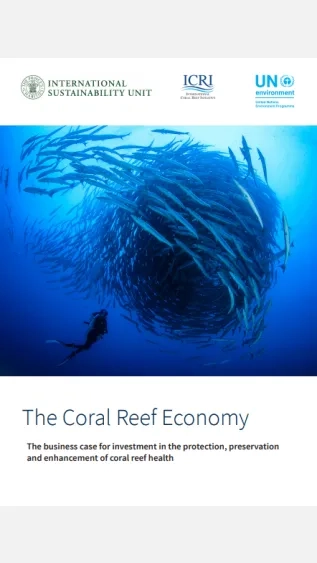
Proactive policies to protect and restore the health of the world’s coral reefs could generate a substantial economic gain, provide important societal benefits, including to local communities, and help deliver the UN Sustainable Development Goals. This study presents new analysis of the value, costs and benefits of the coral reef economy to highlight that shifting the trajectory of coral reef health from one of continuing decline towards a healthy state could unlock tens of billions of dollars in additional value.

The booklet Green-win Narratives developed through the course of the GREEN-WIN project within the Global Dialogue and the detailed studies carried out by the project partners. The GREEN-WIN project is a major international transdisciplinary research collaboration supported by the EU. It applies a solution-oriented approach targeted at increasing the understanding of links between climate action, economic development, and sustainability.