
This resource develops a broad framework for understanding the links between government interventions and the wider drivers of asset stranding and applies this to India’s coal power sector as a first case study.
This report, Review Of Existing Ecosystem Accounting Intiatives And Literature In India: Biophysical assessments, economic value of ecosytem services, and overview of available data sources, to provide a stocktake on India's existing ecosystem accounting initiatives and literature and assess the landscape for mainstreaming Natural Capital Accounting in India.
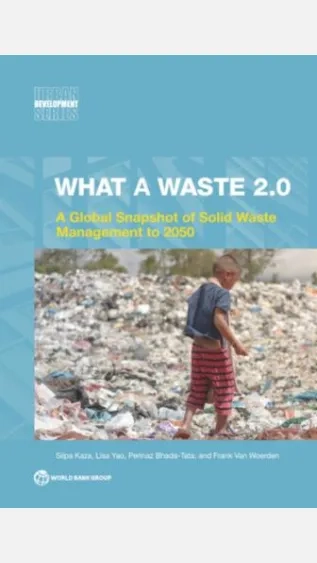
This report, What a Waste 2.0: A global snapshot of solid waste management to 2050 , aggregates extensive solid waste data at the national and urban levels, estimates and projects waste generation to 2030 and 2050. Beyond the core data metrics from waste generation to disposal, the report provides information on waste management costs, revenues, and tariffs; special wastes; regulations; public communication; administrative and operational models; and the informal sector.
Bangladesh’s Ready-Made Garments (RMG) industry remains the backbone of its industrial growth in the coming decades. This paper sought to examine its environmental compliance landscape in terms of the incentives and barriers RMG entrepreneurs face. The paper in particular looked at the high achievers in greening, which includes some of the factories who have the most eco-friendly RMG factories, as certified by the US Green Building Council (USGBC); and some of the factories that partnered with the International Finance Corporation’s Partnership for Cleaner Textiles (PACT) project, which is the world’s largest initiative for resource efficient apparel manufacturing (Daily Star 2017 a). This approach was taken to demonstrate three things: is cost recovery possible in the medium to long term for investments that go beyond mandatory government and basic buyer requirements; what kind of barriers did the high achievers face and what lessons are there for other RMG companies who may benefit from greening; and what kind of policy and institutional changes are needed to spread greening from the high achievers to the rest of the industry. The key points of the paper are given below.
This paper provides recommendations for developing accounting guidance under the Paris Agreement that can be applied to the variety of mitigation components in Parties’ NDCs. It outlines key decisions to be made regarding NDC accounting and reporting of accounting-related information and provides approaches to address those issues.
This Asian Development Bank guidance note, Scaling Up Resilience-Building Measures through Community-Driven Development Projects, proposes a framework that recommends five key considerations that should be factored in the design and implementation of community-driven development projects to ensure that they deliver on scaling up of resilience-building measures.