
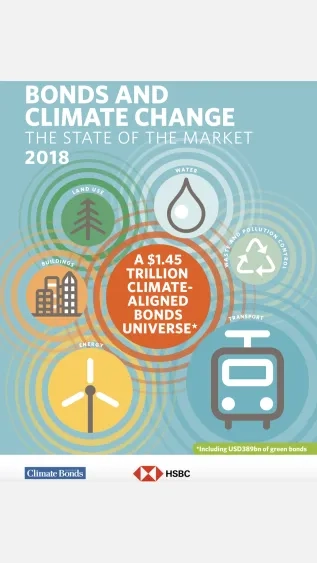
Bonds and Climate Change: The state of the market in 2018 presents the findings of Climate Bonds Initiative’s research of climate-aligned issuers, conducted between April and June 2018. It identifies issuers who generate at least 75% of their revenues from ‘green’ business and looks at the diversity of bond structures used in the green bond market.
Energy Safety Nets: A literature review, assesses the evidence available on the experience of using social assistance to enable poor people in developing countries to access modern energy services.
The decreasing cost of energy storage and increasing demand for local flexibility are opening up new possibilities for energy storage deployment at the local level. Community energy storage (CES) is expected to contribute positively towards energy transition while accommodating the needs and expectations of citizens and local communities. Yet, the technological and societal challenges of integrating CES in the largely centralized present energy system demand for socio-technical innovation. In this article, we develop and discuss several configurations of CES.
This brief aims to enhance awareness and highlight the importance of integrating weather and climate-related risks into the planning stages of energy infrastructure development. As countries are developing long-term low-carbon development strategies and pursue mitigation measures as part of their Nationally Determined Contribution (NDC), it is essential to increase understanding about the need to identify and assess climate-related risks when appraising new energy projects or managing infrastructure portfolios.
As a global financial centre with a growing strategic interest in sustainable finance, and a country recognized as a leader in digital technologies and innovation, Switzerland is seeking an improved understanding of how digital finance can accelerate the greening of financial flows. This implies the integration of environmental risks and opportunities into day-to-day financing and investment decisions, as well as the development of financial services and products that make a substantial contribution to environmental objectives. It also involves the use of policy approaches that harness green digital finance applications to realign financial flows towards low-carbon and resource-efficient economies. To help improve understanding of what it would take to reach such an ideal state, UN Environment, with support from the Swiss Federal Office for the Environment (FOEN), undertook a stocktaking to map emerging green digital finance practices in Switzerland and globally in 2018.
Carbon pricing instruments come in many shapes and forms; in this report, IISD analyzes the possible development of innovative approaches to linking carbon pricing instruments and considers how carbon pricing club members could reduce emissions while keeping costs low.