
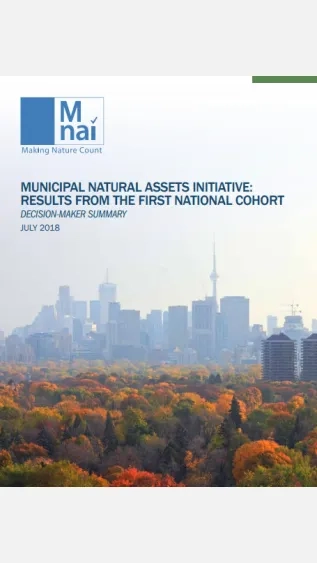
The Municipal Natural Assets Initiative has developed a methodology to help local governments identify, value and manage natural assets. This decision-maker summary provides a high-level overview of each pilot project and their key findings.
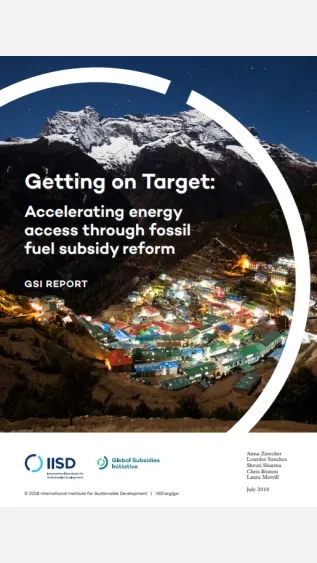
Sustainable Development Goal (SDG) 7 calls upon the global community to ensure access to affordable, reliable, sustainable and modern energy for all by 2030. Often people assume that fossil fuel subsidies help the poor by making energy more affordable. In fact, most fossil fuel subsidies are not working well for energy access and poverty goals. The annual fossil fuel subsidy expenditure of USD 425 billion could be better invested by governments towards SDG outcomes. This is already recognized by SDG 12, in which the UN General Assembly’s 193 members included the reform of inefficient fossil fuel subsidies as a means of implementation to achieve more sustainable consumption and production. Subsidy savings could be invested to get on target for many development goals—not least, those on energy access.
This paper, Getting on Target: Accelerating energy access through fossil fuel subsidy reform, reviews the financial implications of fossil fuel subsidies and takes a closer look at how reforming fossil fuel consumption subsidies could interact with energy access goals.
Key findings of this paper are:
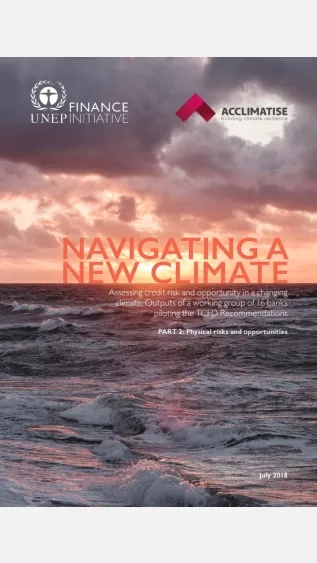
Navigating a New Climate: Assessing Credit Risk and Opportunity in a Changing Climate is the second report in a two-part series showcasing a scenario-based approach for estimating the impact of climate change on corporate lending portfolios. It focuses on physical-related risks and opportunities. The first in the series, Extending Our Horizons: Assessing Credit Risk and Opportunity in a Changing Climate focuses on transition-related risks and opportunities. It was published in April 2018.
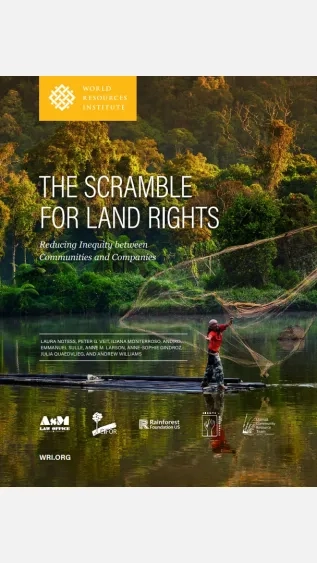
This report, The Scramble for Land Rights: Energy, migration and the 2030 Agenda for Sustainable Development, sheds light on this uneven playing field between companies and communities, and recommends a more transparent path forward.
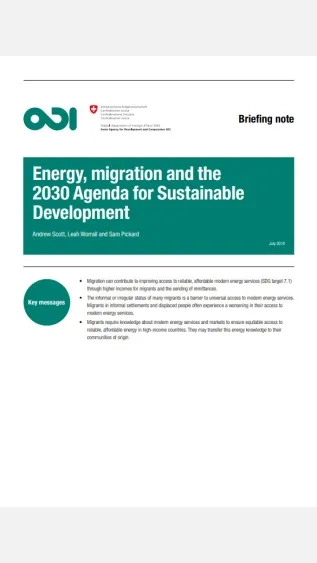
This briefing, Energy, Migration and the 2030 Agenda for Sustainable Development, considers the direct and indirect relationships between migration and energy services in places of origin and destination, and how changes due to migration will affect achievement of the Sustainable Development Goals (SDGs).
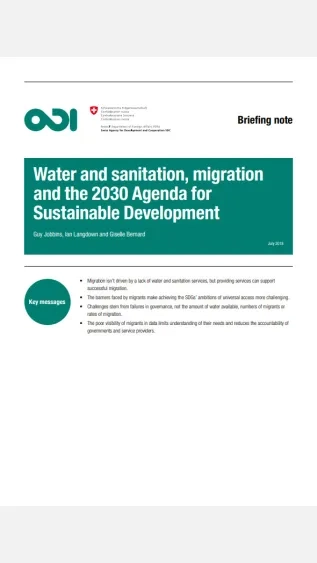
This briefing, Water and Sanitation, Migration and the 2030 Agenda for Sustainable Development, considers the impact of migration on a variety of WASH-related Sustainable Development Goals (SDGs).