
The paper The Role of Investors in Promoting Sustainable Infrastructure Under the Belt and Road Initiative examines how the multilateral development banks (MDBs) and the European bilateral development finance institutions (DFIs) encourage the use of sustainable procurement by their borrowers, and how China’s policy banks approach this issue.
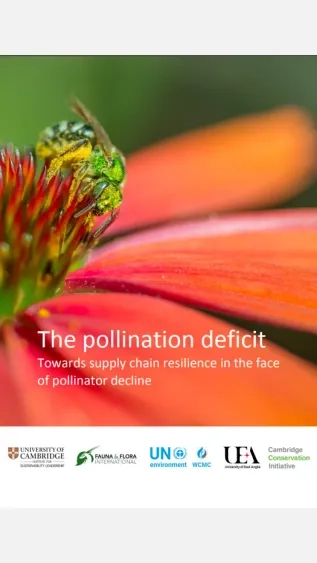
The report, The pollination deficit: Towards supply chain resilience in the face of pollinator decline, sets out a five-step roadmap to enable sustainable pollinator management within supply chains.
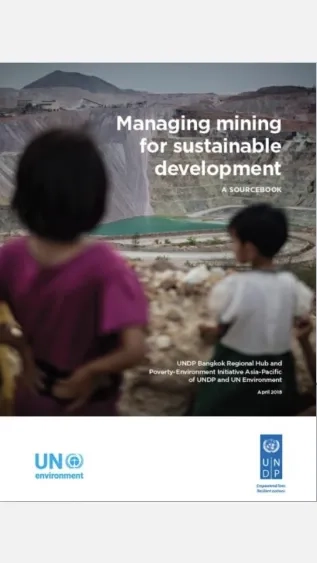
The premise of this sourcebook is that it is within the power of governments of resource-rich countries to protect people and the environment and to realize the benefits from mining, working alongside the mining industry and local communities.
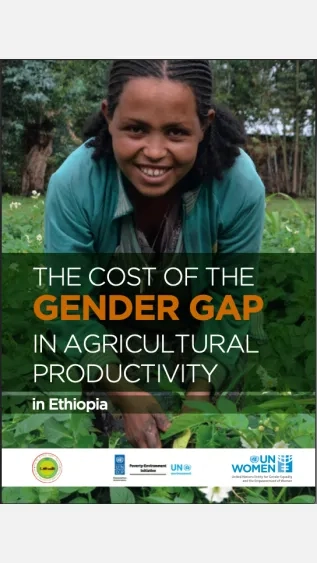
This Report helps to lay the groundwork for deeper investigation as to where to invest for the most cost-effective policies. Our analysis finds that women’s lesser capacity to purchase pesticides, herbicides, and fungicides is an important constraint contributing to the gender gap in farm crop productivity in Ethiopia.
This document includes a list of chemicals of concern to human health and the environment. The list is based on systematic evidence reviews from authoritative sources, which identify chemical and material hazards of concern that are carcinogenic, mutagenic, endocrine disrupting and reproductive hazards (health hazards) and bio- accumulative and persistent to the environment and/or listed in International Environmental instruments (Conventions).

This report, How ESG Engagement Creates Value for Investors and Companies looks at how ESG engagement creates value for both companies and investors, amid growing evidence that engagement by investors with companies on environmental, social and governance (ESG) issues can create shareholder value.