
IISD's Big Data for Resilience Storybook explores the links between Big Data and resilience building through a new resilience lens. Aimed at an audience of resilience and development practitioners, the Storybook offers diverse experiences and practice-based recommendations to leverage Big Data’s potential and address its risks as part of efforts to build resilience. The Storybook is a collaborative initiative that features the experiences of seven international organizations working at the intersection of Big Data and resilience in vulnerable settings:
This Regional Assessment Report on Biodiversity and Ecosystem Services for Europe and Central Asia represents the state of knowledge about the Europe and Central Asia region and subregions.
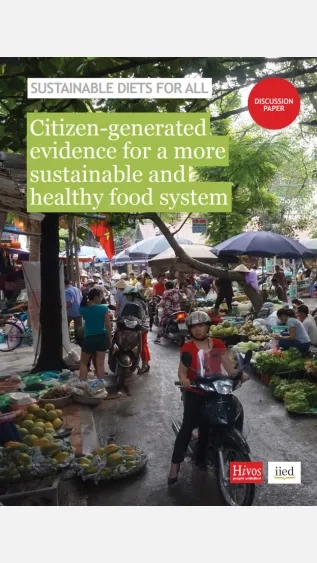
This report, Citizen-generated Evidence for a More Sustainable and Healthy Food System, sets out to integrate knowledge on citizen-generated evidence, especially as it pertains to citizen agency in support of sustainable diets and food security.
This brief provides an overview of the key issues to consider and main entry points for gender mainstreaming in the development of NAPs for the agriculture sectors.
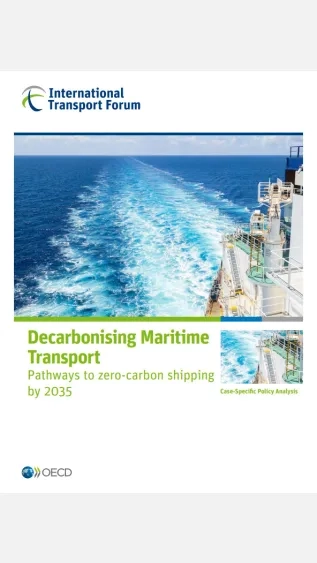
This report, Decarbonising Maritime Transport, examines what would be needed to achieve zero CO2 emissions from international maritime transport by 2035.