
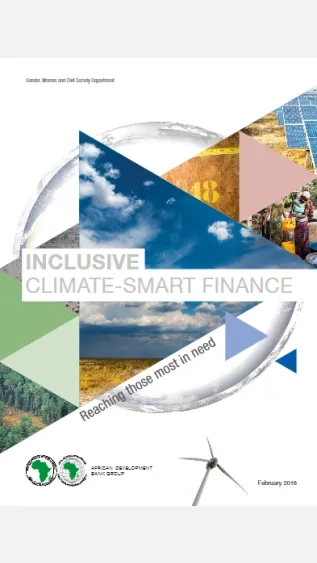
This report, Inclusive Climate-Smart Finance – Reaching those most in need shows how properly designed and executed climate-smart finance mechanisms can address socio-political imbalances that reduce communities' resilience to the impacts of climate change and can help redress gender imbalances.
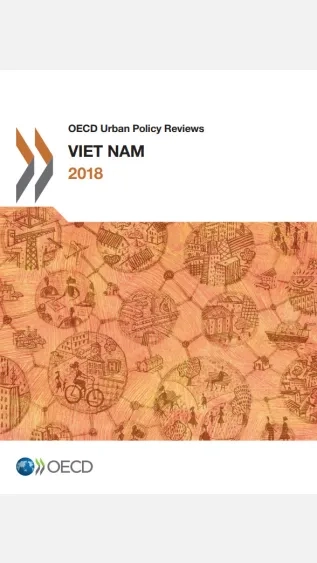
This report, OECD Urban Policy Reviews: Viet Nam, provides a comprehensive assessment of Viet Nam’s urban policies and analyses how national spatial planning for urban areas, along with specific sectoral policies, directly and indirectly affect Viet Nam’s urban development.

The Mitigating Drought Impacts in Drylands: Quantifying the potential for strengthening crop- and livestock-based livelihoods report covers how an original model was developed expressly to consistently and coherently evaluate different type of interventions on the ground, which provided a common framework to anticipate the scale of the challenges likely to arise in drylands, as well as to generate insights into opportunities for addressing those challenges.
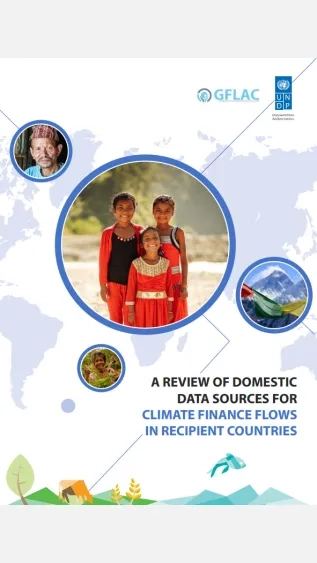
In an effort to identify the limitations of climate finance reporting and provide key recommendations to improve this within the context of compliance with the Paris Agreement, this research analyzes the status of reporting mechanisms that exist under the UNFCCC.
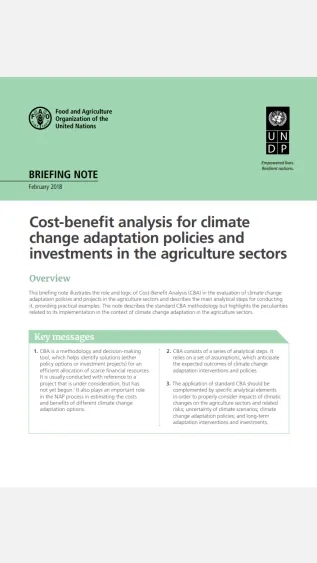
This briefing note Cost-benefit Analysis for Climate Change Adaptation Policies and Investments in Agriculture illustrates the role and logic of Cost-Benefit Analysis (CBA) in the evaluation of climate change adaptation policies and projects in the agricultural sector and describes the main analytical steps for conducting it, providing practical examples.
Considered to be the largest contributor to the growth in the world’s urban population in the coming years, India and its urbanisation process have reached a critical juncture. As one of the fastest growing countries, urbanisation is undoubtedly an opportunity and a challenge for India with huge implications for the rest of the world.