
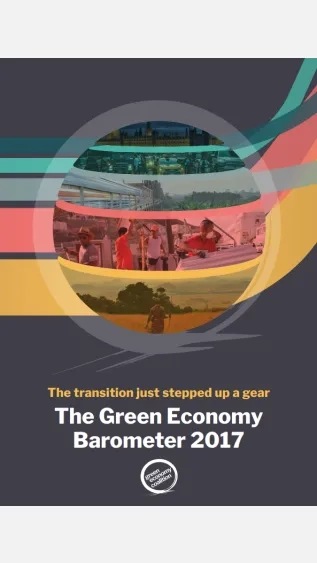
Every year, the Green Economy Coalition publishes the Green Economy Barometer, an analysis of the state of the global movement towards a fair, sustainable future. The Barometer tracks the transition, both celebrating the successes, and calling attention to challenges yet to be overcome. It contains key stats, facts, and highlights from the year 2017, and it casts an eye ahead to what the next twelve months have in store.
The Green Economy Barometer 2017 argues that the light on the global green economy horizon has brightened this year: markets are booming; new narratives are emerging; investment is flowing. Tipping points in energy, transport, and global leadership may well be arriving. But that same story looks different from the ground: young people need jobs; biodiversity is in crisis; and rural economies are being left behind.
This issue paper discusses the question why gender and chemicals is an important issue and summarises existing findings related to sex and gender in the context of chemicals.
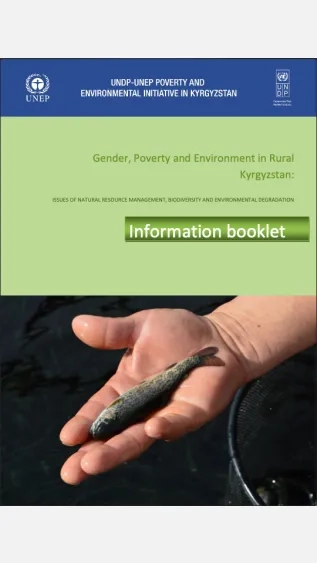
This study concerns as to how to best bring development in ways that would reduce poverty, save natural environment and bring social justice. It explores the following questions: “What are specific areas of inter-linkages among the issues of gender equality, rural poverty, and environmental degradation in the Kyrgyz Republic?” “What are gender implications for sustainable livelihoods in rural Kyrgyzstan?”, and “What are gender-differentiated impacts of environmental degradation in Kyrgyzstan”
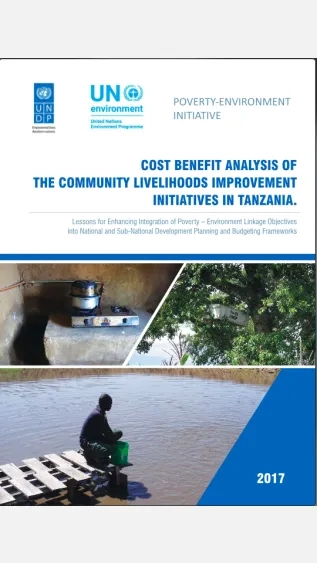
The report presents findings of the economic analysis for the Pro-poor Economic Growth and Environmentally Sustainable Development Project, which is a joint venture between the Government of the United Republic of Tanzania and the United Nations Development Programme (UNDP), and the United Nations Environment Programme (UNEP).
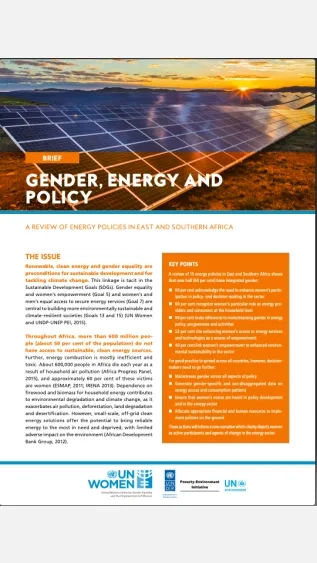
This review of 15 energy policies in East and Southern Africa shows that over half (60 percent) have integrated gender. This brief follows up on the recommendation made by the working paper by conducting an initial review of gender integration in energy policies in East and Southern Africa. To this end, it reports on the results of an analysis of national energy policies and strategies in the region.
This report presents an overview of the main research findings and case studies concerning education and skills for inclusive growth, green jobs, and the greening of economies.