
The scoping study Using Credit Lines to Foster Green Lending: Opportunities and Challenges aims at identifying the opportunities and the challenges related to the deployment of credit lines to support the low-carbon climate-resilient transition in developing countries.
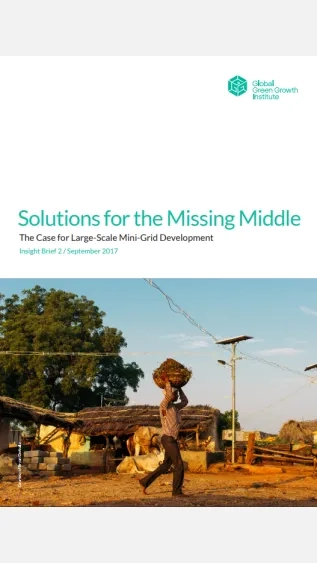
This Insight Brief Solutions for the Missing Middle: The Case for Large-Scale Mini-Grid Development demonstrates how mini grids powered by solar photovoltaics (PV) and energy storage systems (ESS) can provide energy access to 800 million people who do not live near a centralized electric grid.
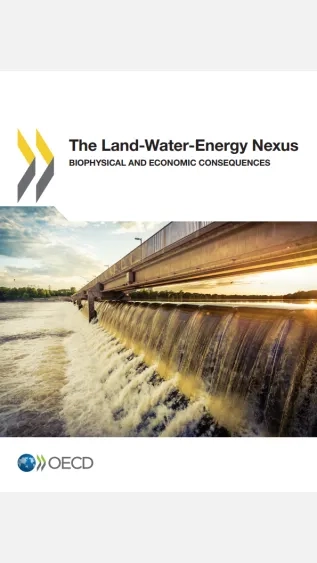
The report The Land‑Water‑Energy Nexus: Biophysical and Economic Consequences addresses the following question: What would be the global and regional biophysical and economic consequences by 2060 because of policy inaction regarding the limited availability of land, water and energy, given their interlinkages?
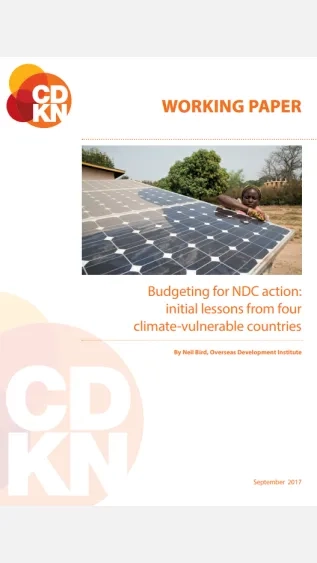
The working paper Budgeting for NDC Action – Initial Lessons from Climate-Vulnerable Countries addresses the following question: are climate change-related expenditures starting to appear in national budgets to secure the early implementation of countries’ Nationally Determined Contributions (NDCs)?
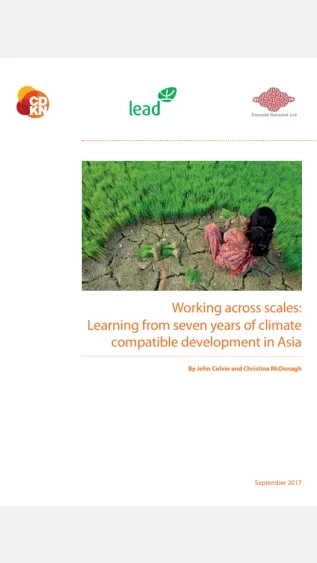
This working paper Working Across Scales: Learning from Seven Years of Climate Compatible Development in Asia assesses the value of stimulating climate compatible development initiatives at multiple levels of governance, from the local to the national, as well as the global.
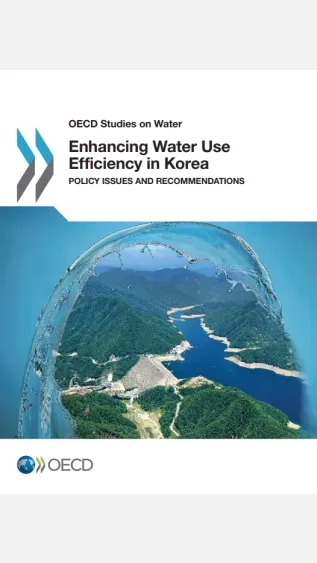
The report Enhancing Water Use Efficiency in Korea: Policy Issues and Recommendations, building on a policy dialogue with a range of stakeholders in Korea, analyses how economic policy instruments under the responsibility of the Korean Ministry of Land, Infrastructure and Transport can be adjusted to contribute to water policy objectives.