

Behavioural insights can help policy makers obtain a deeper understanding of the behavioural mechanisms contributing to environmental problems, and design and implement more effective policy interventions. This report reviews recent developments in the application of behavioural insights to encourage more sustainable consumption, investment and compliance decisions by individuals and firms.
Drawing on interventions initiated by ministries and agencies responsible for environment and energy, as well as cross-government behavioural insights teams, it portrays how behavioural sciences have been integrated into the policy-making process. The report covers a variety of policy areas: energy, water and food consumption, transport and car choice, waste management and resource efficiency, compliance with environmental regulation and participation in voluntary schemes. It shows what has proven to work – and what has not – in policy practice in OECD countries and beyond.
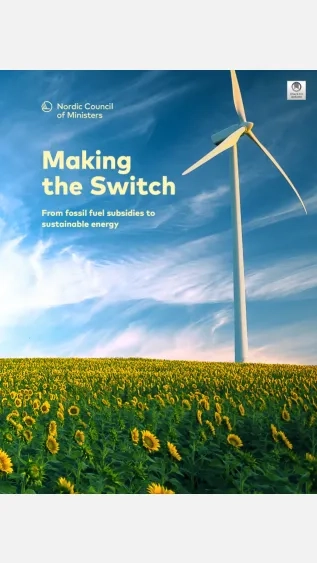
This report Making the Switch From Fossil Fuel Subsidies to Sustainable Energy outlines how governments need to switch off subsidies to oil, gas and coal, but also need to switch on massive investments into renewables and energy efficiency and other more productive investments such as targeted cash safety nets for the poor or for health and education.
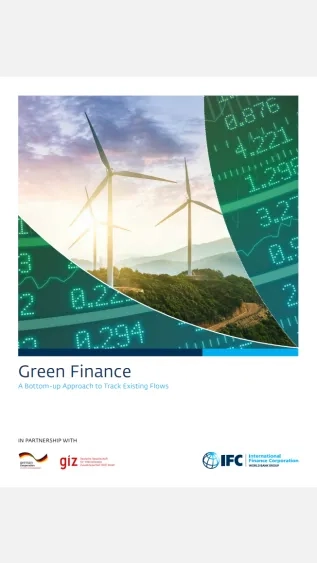
This report, Green Finance: A bottom-up approach to track existing flows, first defines what is “green” at a project level, based on the intended use of the investment in the real economy, through the application of estimates for the respective green share per project. It then aggregates the numbers at an industry and country level. These results can be compared to green finance needs to identify gaps and action points.
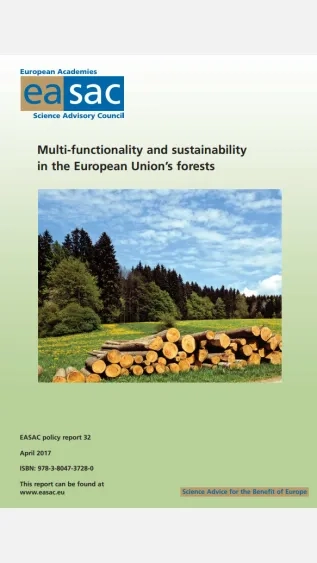
This report, Multi-functionality and Sustainability in the European Union's Forests, focuses on scientific knowledge related to the many factors contributing to forests’ interaction with climate change, and the ways in which different policies and management structures may interact with biodiversity.
This Financing the Transition paper presents a fictional Fast Track scenario, suggesting the key features of how a rapid transition to a low-carbon, resilient economy could play out in the financial system in terms of impacts on assets as well as on financial policy.
The Addressing agriculture, forestry and fisheries in National Adaptation Plans outline elements and related steps for preparing the agriculture sectors' contribution to National Adaptation Plans.