
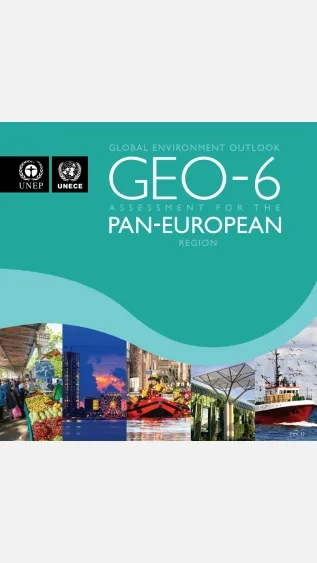
This assessment, Global Environment Outlook 6: Regional assessment for Pan-European , argues for more urgent action, both through existing policies and the implementation of the 2030 Agenda for Sustainable Development (2030 Agenda), to address the challenges that the region is facing.
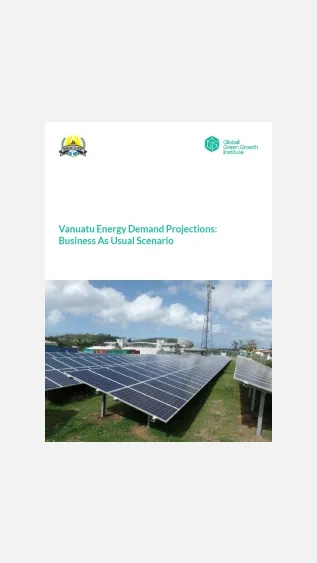
The Council of Ministers of Vanuatu endorsed the Vanuatu National Energy Roadmap (NERM) in 2013 as the overarching policy framework for developing Vanuatu’s energy sector. The Government of Vanuatu undertook the first revision of the NERM between October 2015 and May 2016 to update the roadmap’s goals and targets (Updated Vanuatu National Energy Road Map 2016-2030). Recognizing the importance of energy efficiency initiatives, and their centrality to meeting the Government of Vanuatu’s vision for the energy sector, energy efficiency was a key element in the revision of the NERM, alongside the need to increase implementation of renewable energy technologies.
The New Plastics Economy: Rethinking the future of plastics provides, for the first time, a vision of a global economy in which plastics never become waste, and outlines concrete steps towards achieving the systemic shift needed.
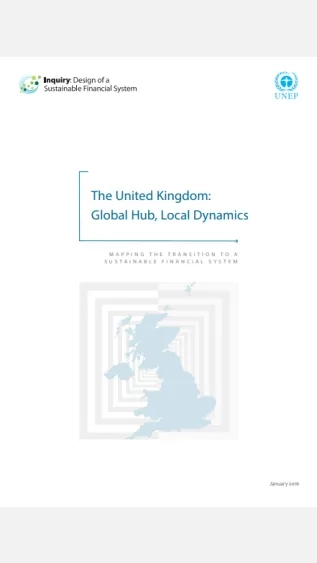
The United Kingdom: Global hub, local dynamics looks at the steps that the UK has taken towards a sustainable financial system shaped by its role as a global financial centre and a distinctive dynamic between social entrepreneurs and civil society organisations, market innovation and policy frameworks. The City of London is not only home to some of the world’s largest financial markets, but also to a range of sustainable finance initiatives that are setting the agenda both domestically and internationally.
Following the financial crisis, there has been a shift in the way in which sustainability is being pursued, moving from institutional to a systemic approach. Looking across the system, five key avenues of change within the UK can be identified, all of which have direct or indirect implications for the rules that govern the financial system:
The US financial system is undoubtedly among the largest, most innovative and most sophisticated in the world. It is also clear that this is both a benefit and an impediment to non-governmental investment in sustainability and inclusiveness. To date, the actual investment in infrastructure and sustainability does not meet current needs, especially those related to maintaining climate change to within manageable bounds.
Aligning the Financial System with Sustainable Development in the United States of America examines the decision process embedded in the US financial markets that determines what endeavours are funded by capital investment and suggests areas that can be addressed to improve results.
The report Renewable Energy Market Analysis: The GCC Region looks at the opportunities and barriers for renewable energy deployment in the Gulf Cooperation Council (GCC) economies and offers recommendations for greater integration of renewables into the regional energy mix