

The world today is facing the worst economic and environmental crises in generations. Hence, we need policies that can stimulate recovery and at the same time reach the sustainability. Many organisations and experts have advocated for a 'green recovery', where the economic crisis should be grasped by governments as an opportunity to reduce carbon dependency and put economies on a path of 'green growth' by using green stimulus packages. Many papers and international reports advocate that the renewable energy sector is an essential step in the path of green recovery. The main aim of this paper is to review a selection of responses to the double crisis by international institutions and to focus on the achievements made in the renewable energy sector.
As the world’s most populous region and the most vulnerable to climate risks, Asia is at the centre of a paradigm shift towards low carbon green growth. This shift must incorporate economic and social inclusion, and environmental sustainability in the strategic policy making and implementation. Many developing Asian economies have started this paradigm shift, bringing clean energy access to poor, stressing industrial competitiveness, developing green technology markets, and supporting decent job generation. What has been the initial experience with the paradigm shift? What can policy-makers learn from the experience and further advance the policy agenda? How can an action focussed approach be structured to support the continuing policy learning and advancement?
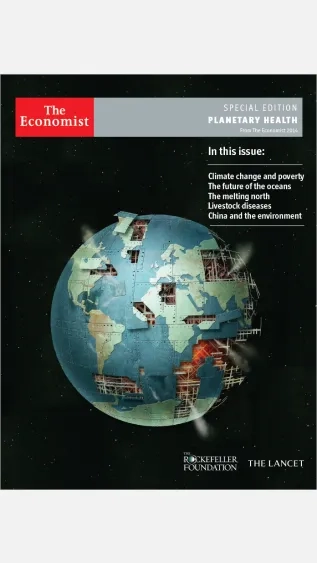
What risks do our civilisations face, and how will we identify them? Are we living through a key transition for our species and civilisations, and how would we know if we were? What forces have shaped past civilisations and our civilisations today, and what will protect future civilisations? What will determine human sustainability and resilience in the face of these planetary dangers? Is human and planetary sustainability compatible with our current expectations for economic growth and material prosperity?
To answer these and other questions, The Lancet and The Rockefeller Foundation are launching a commission and convening a major global gathering at the Foundation’s Center in Bellagio, Italy. This special edition of The Economist magazine will, together with other inputs, help shape that ongoing conversation.
Cities are large emitters of greenhouse gasses, but are also extremely vulnerable to climate change impacts. This unique position makes cities networks relevant in international discussions on mitigation, where they have over the past few months effectively created a new initiative to cut emissions, along with a credible emissions accounting and reporting protocol, a data repository, and a portal to share progress. At the same time that cities groups are advocating mitigation at the international level, groups within cities are proposing innovative adaptation ideas to address local level climate change impacts, including creative solutions to adapt the urban landscape to sea level rise.
The paper Can supply chain initiatives reduce deforestation? presents a framework of factors influencing the effectiveness of voluntary supply chain initiatives based on the literature available.
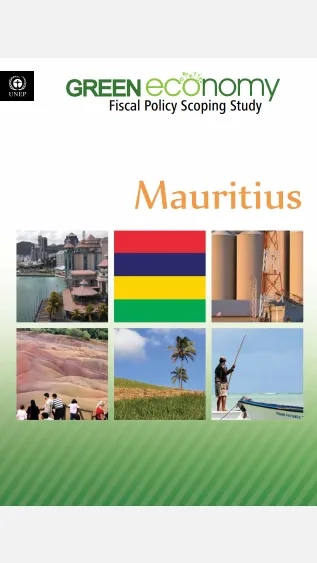
The report Green Economy Fiscal Policy Scoping Study: Mauritius describes the current status of fiscal policy in Mauritius, with the aim of identifying potential fiscal space for green economy initiatives, thereby supporting the transition to a more sustainable and inclusive economy. Based on the analysis of the fiscal status of the country, the report assesses a variety of reform opportunities.