
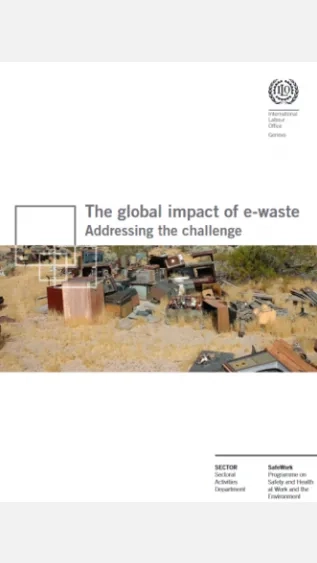
This paper elaborates on the issues posed by electrical and electronic waste (e-waste), the scale of its use, destinations for the transboundary trade flow in e-waste, risks to workers, labor and employment issues, chemicals of concern (OSH) aspects, and the legal framework. It takes a systems analysis approach to the problem, explores solutions, and suggests possible pathways for International Labour Organization (ILO) intervention.
Renewable energy together with energy efficiency, sustainable transport, sustainable agriculture, sustainable tourism, green building and waste management are economic sectors which are often considered capable of paving the way for a transition to a green economy and providing win-win solutions offering job creation, poverty alleviation and environmental protection. However, there are a number of obstacles and challenges that might inhibit these sectors in their contribution towards greening the economy. These include limited knowledge and awareness relevant to green economy and green jobs, gaps in policy and regulations, limited financial incentives to support green initiatives, and related awareness and skill shortages.
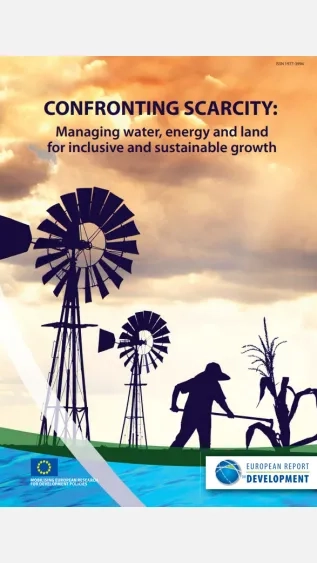
This report Confronting Scarcity examines the constraints on water, energy and land and how they interrelate. It also considers how these resources can be managed together to promote growth in developing countries that is both socially inclusive and sustainable.

This is the third review of Mexico's environmental performance. It analyses progress in achieving a range of national objectives and international commitments, and presents 29 recommendations on how performance could be improved. Progress towards a green, low carbon economy is part of the assessment.
This report presents, for the first time a local ‘green growth’ indicator framework. This indicator framework was developed from the OECD ‘green growth’ strategy at the national level, but modified to highlight issues of transition that are most relevant for local areas. The Copenhagen report is the first trialling of this approach, along with an indicator visualisation tool – or dashboard. The dashboard allows easy assessment of the progress of a particular local area in a number of indicator variables.
This paper explores the high dependency of a number of countries of the Southern African Development Community (SADC) on mineral resources, and the relative lack of expected social benefits from the extractive industries sector in these countries. The brief finds opportunities for greener and inclusive growth by linking extractive industries to other development goals beyond economic returns, as well as by integrating environmental concerns more broadly into economic development plans.