

The United States, Europe, and non-governmental international organizations are seeking to encourage the creation of green jobs and the use of non-hydropower renewable energy. This paper discusses the challenge in defining green jobs and reviews definitions across different countries, states, and NGOs. The paper describes some of the costs the United States has faced in creating jobs through programs funded by the Departments of Labor and Energy. The paper concludes by comparing the experiences of China and the United States in the use of renewable energy.
This article appeared in the Energy Economics Supplemental Issue: Green Perspectives.
Azerbaijan has made significant strides in improving its economy over the past decade, as it embarked on a market-based economy and recovered from a significant downturn following the breakup of the Soviet Union. As a result, the government is now looking to implement a policy for country’s transition to a low-carbon, resource efficient and socially inclusive economy. This study presents an assessment of Azerbaijan’s economy, looking at ways that will foster such transition.
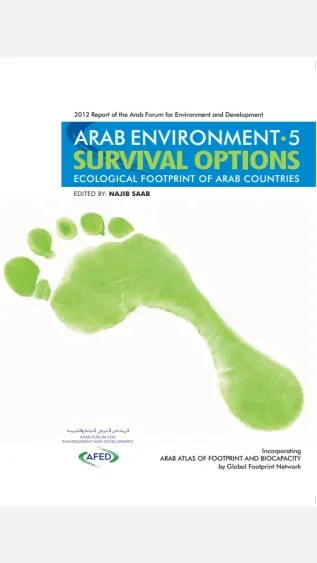
The report Survival Options: Ecological Footprint in the Arab Countries examines sustainability choices in Arab countries, based on a survey of people's demand of natural capital and available supply.
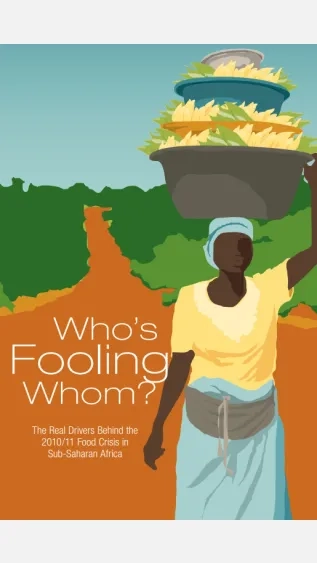
The purpose of this report is to examine the link between global demand for biofuels and the 2010/11 food crisis in the Sub-Saharan African region, and to understand to what extent the former has influenced the latter.
Albania’s energy consumption per capita and its CO2 emissions per capita are low, but due to outdated technologies in many sectors energy intensity is still high. Concerning energy supply, the share of renewable energy sources has contributed about 18–22 per cent of the primary energy balance, but the main role has been played by oil products, electricity, fuel woods and LPG.
Although Albania has a relatively comprehensive legislative framework governing energy politics and climate change comprising a wide range of topics, it still lacks legislation in some areas (energy conservation, renewable energy). The most important document for green growth is the (updated) National Energy Strategy. The Ministry of Environment, Forests and Water Administration (MoEFWA), is the government body responsible for environmental issues and policy.
Although gender considerations are relatively new in the climate change discourse, it is hardly surprising that they have been at the heart of recent activism and policy advocacy efforts by multiple actors. Socio-economic research and evaluations of development effectiveness both confirm that access to resources and the agency to use them are influenced by gender roles, responsibilities and differential access to opportunities and influence
The findings of this research reveal the key role of informal and formal institutions in the local responses to climate change and, correlatively, the need for institutional strengthening as well as innovation in the existing ‘traditional’ coping strategies for climate shocks and hazards. The research findings also highlight the importance of gender inequalities as major social barriers to the development of adequate adaptation strategies by and for women.