

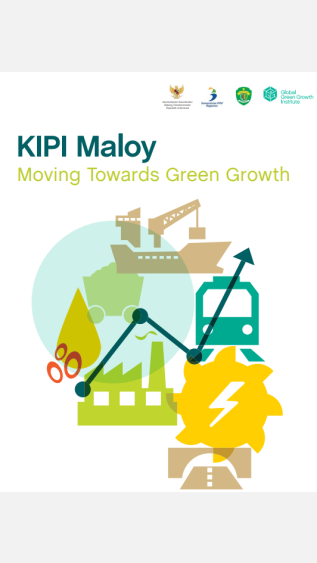
This paper aims to mainstream green growth within Indonesia’s economic planning and development processes. To this end, the Green Growth Programme is developing a framework and toolkit that can be used by a variety of government agencies, especially those involved in planning and economic activities.
The paper Can supply chain initiatives reduce deforestation? presents a framework of factors influencing the effectiveness of voluntary supply chain initiatives based on the literature available.

The third annual Asia Low Emission Development Strategies (LEDS) Forum will take place in Yogyakarta, Indonesia during November 11-13, 2014.
Yvo de Boer, Director-General of the Global Green Growth Institute (GGGI) has issued his latest update, covering recent developments within GGGI and upcoming plans.
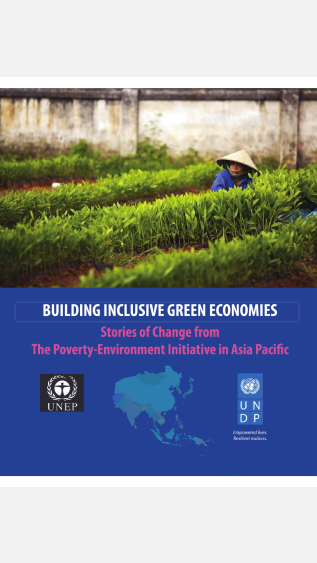
The rapid growth experienced in Asia has come at a cost to our environment, such as air pollution, water contamination and scarcity, chemicals in soils and food and over- exploitation of forest and marine resources. This unsustainable approach to growth has significant and immediate impacts on people, particularly the poor and marginalized people whose livelihoods largely depend on natural resources. Climate change has already, and will continue to, intensify these problems.
The UNDP-UNEP Poverty Environment Initiative (PEI) offers a unique way of tackling these issues together by offering policy options to governments on how sustainable use of natural resources can help reduce poverty and maintain economic growth. With strong support from six donors globally, PEI in Asia Pacific is working with nine countries to mainstream pro-poor natural resource management into economic policies and decision making to achieve more inclusive green economies.