

On 31st May – 2 June 2022, in Kinshasa, DRC the GEF Congo Basin Sustainable Landscapes Impact Program was officially launched, convening all key partners and stakeholders involved in delivering the Program’s objectives.
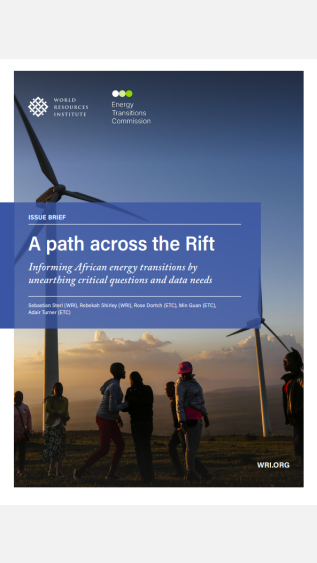
This report identifies common misconceptions and gaps in research which need to be addressed for policymakers and investors to move forward with energy planning in the sub-Saharan Africa.
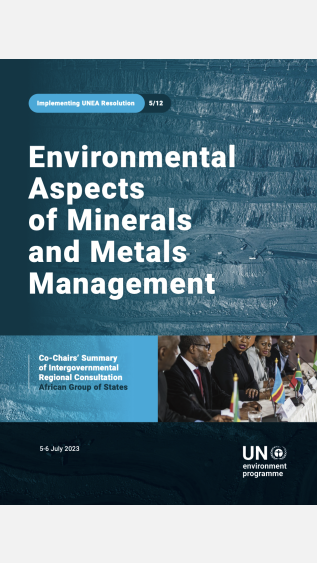
Co-Chairs' Summary Report of the UNEA 5/12 Regional Intergovernmental Consultation for the Group of African States which took place 5-6 July 2023 in Dakar and was hosted by Senegal.
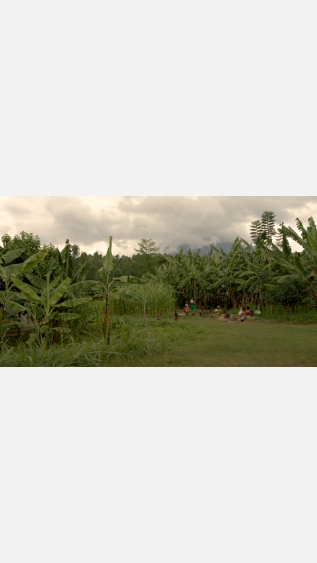
A team from UNEP and UNITAR visited Rwanda in May 2022 to document the impact of the joint UNDP‒UNEP Poverty-Environment Action for Sustainable Development Goals (2018-2022) project and learn how Rwanda’s efforts to achieve sustainable development would be sustained after 2022. We examined how Rwanda‘s “Green Village” projects address poverty-related environmental problems such as soil erosion, inadequate access to water, deforestation and unsustainable land use and clean energy. The National Climate and Environment Fund (FONERWA) helped provide sustainable financing of poverty-environment linkages at the national and local level and turbocharged the Green Villages, which evolved to become “Integrated Development Project Model Villages”. The interventions have enabled their communities to increase livelihoods, improve food security, protect natural resources , advance gender equality and enable children, particularly girls, to attend school.
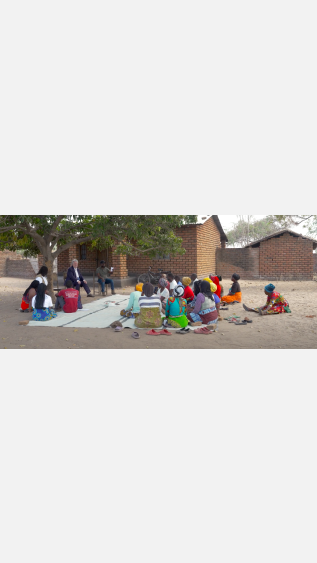
Poverty-Environment Action Malawi has fostered integration of environmental sustainability and climate objectives in development planning, budgeting and monitoring systems; and incentivized shifts in public and private investments towards environmental sustainability and climate objectives for poverty eradication. During a visit to Malawi undertaken in October 2022, organized by United Nations Institute for Training and Research (UNITAR), UNDP Malawi introduced our team to the main tools used to build support for Poverty-Environment Action, with a special focus on agricultural and gender reforms. Three seminal reports and policy briefs developed through the Poverty-Environment Action Malawi – the Climate Smart Aquaculture Toolkit, Soil Loss Mitigation Action Plan and Strategy and the companion Policy Brief, Route to Sustainable Land Management in Malawi: Soil Conservation and Restoration – highlight opportunities for addressing aquaculture and soil and nutrient losses issues in Malawi. The Cost-Benefit Analysis of the ADAPT PLAN report and policy brief demonstrate the efficiency and impact of various climate adaptation interventions on community livelihoods, environment and natural resources. The findings of the report helped build the case for strengthening support for women-led cooperatives in Malawi.

World Environment Day 2023 (WED) is the biggest international day for the environment. Led by the United Nations Environment Programme (UNEP) and held annually, it has grown to be the largest global platform for environmental outreach. It is celebrated by millions of people across the world.