
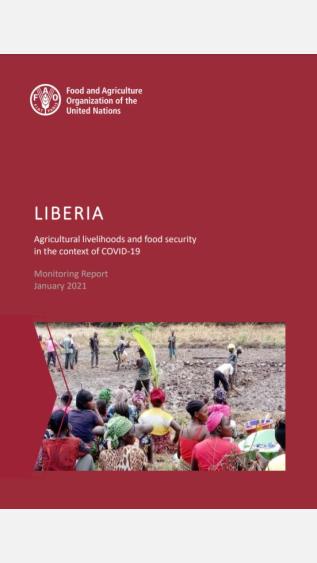
This report shares the analysis on the effects of the coronavirus disease 2019 (COVID-19) in the agri-food system in Liberia based on the assessment conducted during July–September 2020. The Food and Agriculture Organization of the United Nations (FAO) is implementing a project to contribute to data collection and analysis linked to COVID-19 to inform evidence-based programming in selected countries.
This report documents work to provide a quantified analysis of the impact of alternative (non-green and green) COVID-19 recovery plans on key economic, social and environmental indicators.
This report presents the first systematic analysis of significant emitters and examines the robustness of net zero pledges as well as their scope. It further looks for entities have components of a credible plan in place, such as interim targets, a reporting mechanism and clarity on use of offsets. This report does not assess whether such plans are internally coherent nor compatible with a global trajectory to the 1.5°C Paris Agreement target.
This preview presents options to limit global temperature rise to 1.5°C and bring CO2 emissions closer to net zero by mid-century, offering high-level insights on technology choices, investment needs and the socio-economic contexts of achieving a sustainable, resilient and inclusive energy future.
This Net Zero Investment Framework both encourages and raises ambition for the investment community, and supports investors in realising their net zero goals.

On February 25, 2021, at 13:00 CET, World Wide Fund for Nature (WWF) is holding a Webinar "The Dasgupta Review: Transforming the global economy for a nature positive future".