
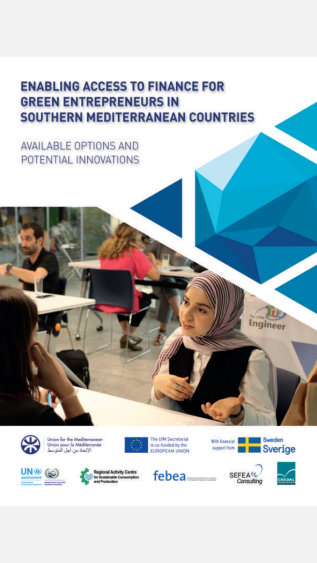
This report explores how to develop the required infrastructure at the regional level to enable green entrepreneurs to flourish. It focuses on critical issues such as the role of finance in supporting green entrepreneurship in the Mediterranean and the need for specific mechanisms that can help new ideas grow and become successful green startups.
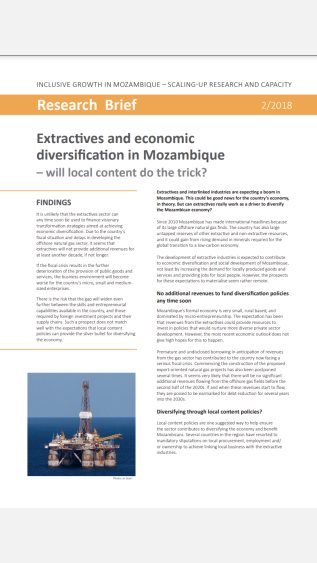
Since 2010 Mozambique has made international headlines because of its large offshore natural gas finds.
This report summarises government policies and public investments that have driven agricultural transformation in 117 countries in Africa, Asia, and Latin America between 1970 and 2015.
The El Niño event in 2015/2016 was one of the strongest since at least 1950. Drought during the event amplified disruption to public water supply in Botswana’s capital and contributed to unprecedented hydroelectric load shedding across Zambia. In Kenya, moderate precipitation during the El Niño brought localized floods to Nairobi and other areas. Yet, during the 2015/2016 El Niño, fluctuations in precipitation were not extreme considering the strength of the El Niño event. Results, therefore, highlight that even fairly moderate precipitation anomalies can contribute to major disruption to economic activity.
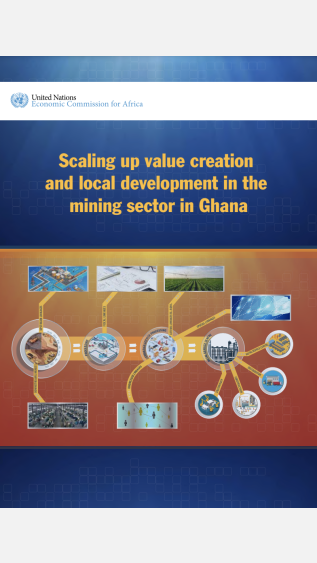
Historically, Ghana’s economic landscape has been shaped by the mining sector, which has been dominated, primarily, by gold production. The beginning of commercial exploitation of oil in 2010 further accentuated the footprint of the extraction sector.
This case study Africa Illovo Sugar: Developing climate resilience through collaboration shows how businesses can work together to reduce social, environmental and economic impacts of their production.