

On 21 February 2018 (3:00 PM CET), Future Climate for Africa is holding a webinar on "African Demand for Weather and Climate Services and Business Models for Private Sector Engagement".
The guidelines provide a framework for environmentally sound e-waste management in Ghana, addressing the specific needs of the national e-waste sector and promoting responsible practices throughout the reverse supply chain.
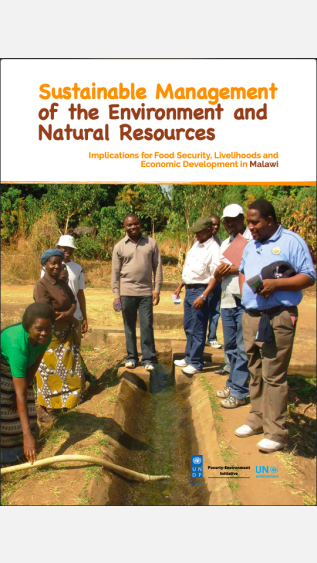
This paper provides macro and microeconomic evidence, based on empirical research, of the huge benefits of investing in sustainable environment and natural resource management and sustainable agriculture in terms of economic gains, poverty reduction, food security, and gender equality. The paper also demonstrates the economic, social, and welfare costs of not investing in socially inclusive and economically desirable sustainable practices. It reviews the gaps between existing policies, public investments and implementation and the implications for achieving national, regional and global development goals.
This report, Inclusive Climate-Smart Finance – Reaching those most in need shows how properly designed and executed climate-smart finance mechanisms can address socio-political imbalances that reduce communities' resilience to the impacts of climate change and can help redress gender imbalances.
The Mitigating Drought Impacts in Drylands: Quantifying the potential for strengthening crop- and livestock-based livelihoods report covers how an original model was developed expressly to consistently and coherently evaluate different type of interventions on the ground, which provided a common framework to anticipate the scale of the challenges likely to arise in drylands, as well as to generate insights into opportunities for addressing those challenges.
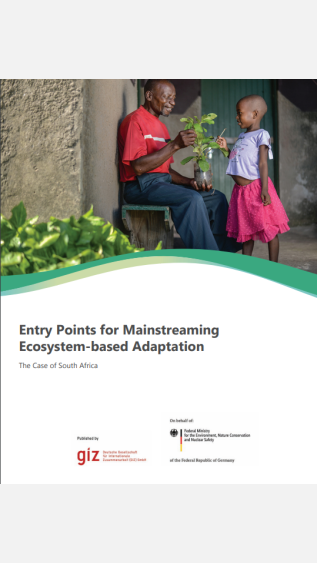
This case study, Entry Points for Mainstreaming Ecosystem-based Adaptation - The Case of South Africa , is conducted by GIZ in South Africa to understand the entry points of Ecosystem-based Adaptation, and who were the pivotal parties, and how EbA can be further expanded in each country in the future. This report is a comprehensive review of existing policy and strategy was made, which was followed by a set of interviews with parties located in government as well as private sector organizations who have often led on-the-ground activities to date.