
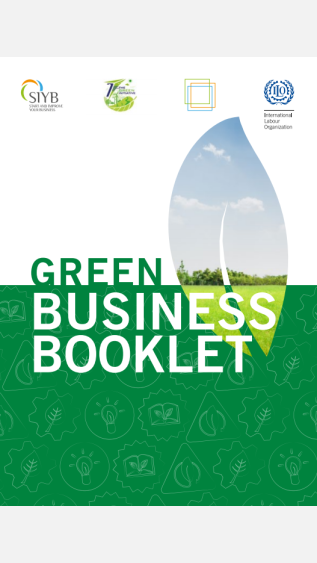
The Green Business Booklet (GBB) has been developed by the International Labour Organization (ILO) to support the creation of green businesses and the greening of existing businesses. The manual is designed to be used in conjunction with the ILO’s flagship Start and Improve Your Business (SIYB) programme.
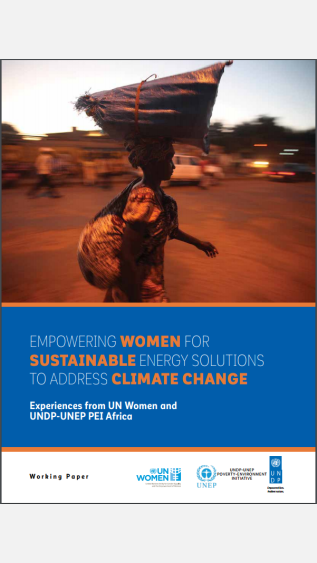
Africa has enormous potential for clean energy, given its ample resources of hydro, solar, wind and geothermal power. However, current highly centralized energy systems often benefit the rich and bypass the poor. On the other hand, decentralized renewable energy systems offer a great opportunity for women’s empowerment. As these are deployed at the local level, women are more likely to participate in related decision-making and be involved in the energy value chain.
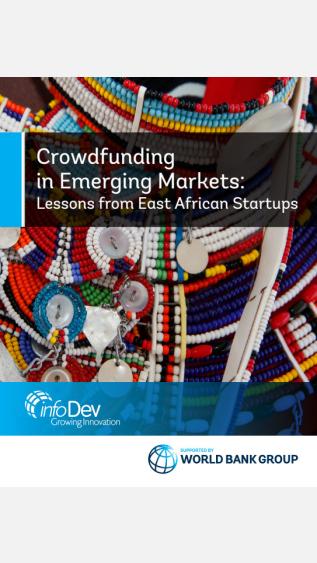
Crowdfunding is the practice of raising monetary contributions from a large number of people, typically online, to fund a project or venture. In the past 10 years, crowdfunding has evolved into a $16 billion market, largely concentrated in North America and Europe. In developing countries, the crowdfunding market is expected to reach $327 million this year—about 2 percent of the global total. Despite this slow adoption, crowdfunding has been heralded as an opportunity to expand access to capital for entrepreneurs.
To better understand the challenges of crowdfunding in emerging markets, the World Bank Group conducted interviews with a number of East African technology entrepreneurs who ran crowdfunding campaigns, both successful and unsuccessful. From the interviews emerged six lessons about when, why, and how to launch crowdfunding campaigns.
The Sustainable Development Goals (SDGs) set a new agenda for development, with the ambitious aim of eradicating extreme poverty within the next 15 years while also recognising environmental limits.
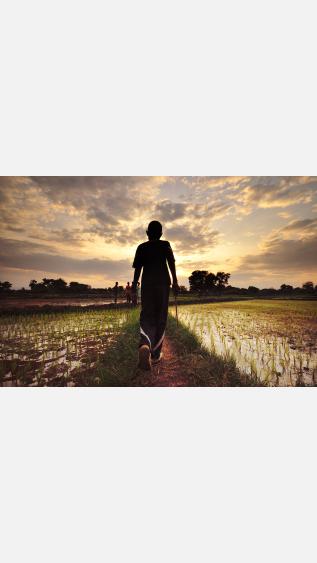
Climate change is an acute threat to the eradication of poverty, with the poorest regions of the world to be hardest hit. Without rapid, inclusive and climate-informed development, climate change will force 100 million people into poverty by 2030.
Sub-Saharan Africa faces the worst land degradation in the world. This jeopardizes its efforts to reduce poverty as most rural livelihoods depend heavily on natural resources.