
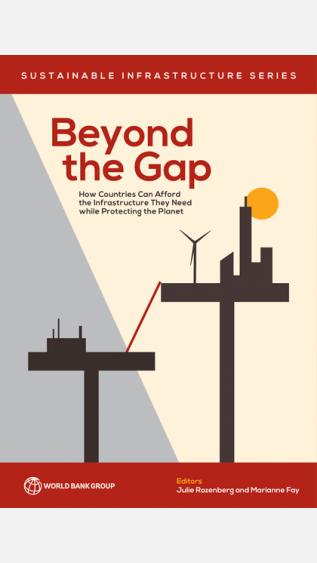
Beyond the Gap: How Countries Can Afford the Infrastructure They Need while Protecting the Planet aims to shift the debate regarding investment needs away from a simple focus on spending more and toward a focus on spending better on the right objectives, using relevant metrics. It does so by offering a careful and systematic approach to estimating the funding needs to close the service gaps in water and sanitation, transportation, electricity, irrigation, and flood protection.
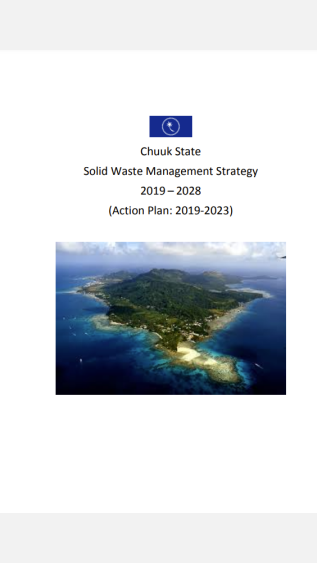
This strategy plan for Chuuk State in Micronesia establishes a technically sound and financially sustainable solid waste management system.

The transition to a low-carbon economy will require changes at every level of society, from investment in clean innovation and the widespread deployment of resulting green technologies, to behaviour changes and new environmental policies.
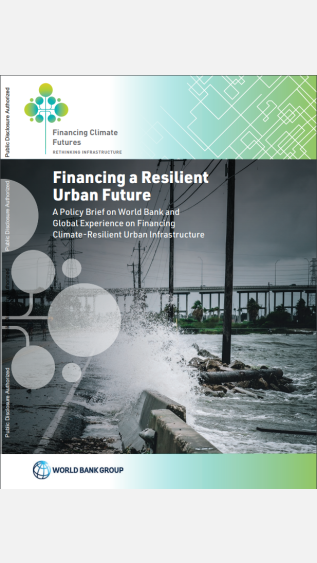
This Report Financing a Resilient Urban Future: A Policy brief on World Bank and global experience on financing climate-resilient urban infrastructure draws on World Bank experience and datasets and a review of academic and grey literature on financing three core urban infrastructure systems – water, transport, and energy.
This policy brief, The Infrastructure And Climate Change Nexus: Integrated approaches as a catalyst for transformational change, explores interlinkages between climate change mitigation and adaptation, and diverse forms of infrastructure. Given that infrastructure in every sector has climate implications, the brief raises awareness about the need for an integrated approach to the planning and development of resilient, low-carbon infrastructure assets to achieve the targets enshrined in the Paris Agreement and to boost climate-smart growth.

Faced with climate change and environmental degradation many cities are turning to Blue-Green Infrastructure (BGI) solutions to enhance climate resilience as well as restore the health of ecosystems. BGI is a strategically planned network of natural and semi-natural areas, ranging in size from rain gardens right up to green streets, that are designed and managed to deliver a wide range of environmental, economic, and social benefits including improved water quality.