
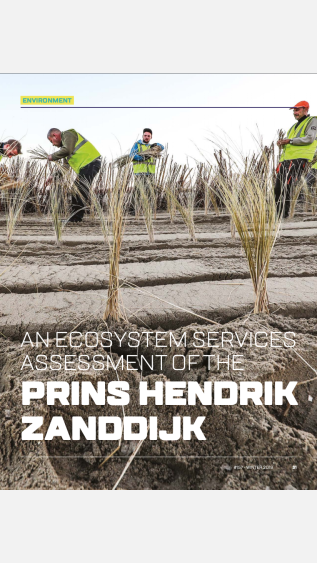
This study examines which and, if possible, how much more ecosystem services are provided by the most recent nature inspired coastal protection project Prins Hendrik Zanddijk, in comparison with a traditional concrete and asphalt construction.
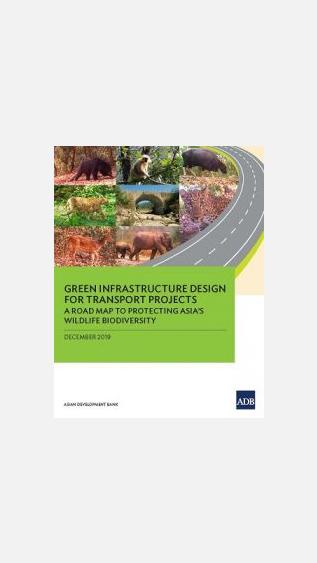
This report discusses the impacts of transport projects on wildlife and biodiversity in Asia, and how to address them by integrating road ecology principles and green infrastructure measures—from environmentally sensitive road design to animal passage structures and management guidelines—to reduce transport project impacts on wildlife.
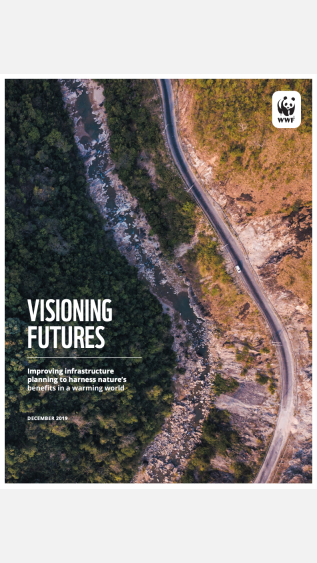
This report outlines a new planning approach integrating considerations of natural capital and ecosystem services, climate risks and resilience, and sustainable development needs to support social-ecological system scale planning. It provides key recommendations for global and local institutions influential in infrastructure development, from multilateral development banks and other funders to NGOs and the private sector, to address these gaps and facilitate an improved planning approach.

In recent years a wide range of organisations have issued guidance on different aspects of strategic infrastructure planning and prioritisation. The Institution of Civil Engineers (ICE) reviewed this material and conducted interviews with practitioners from around the world. This report draws these insights together into a single source of guidance and illustrates them with a series of case studies.
This report analyses planned infrastructure projects, decision-making frameworks related to infrastructure development, and strategic planning documents in eight countries in Central Asia and the Caucasus: Azerbaijan, Georgia, Kazakhstan, the Kyrgyz Republic, Mongolia, Tajikistan, Turkmenistan, and Uzbekistan.
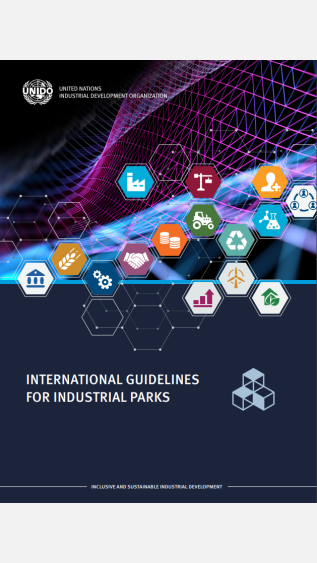
This International Guidelines for Industrial Parks address the industrial park’s planning and design, construction, operations, marketing & investment promotion, waste management, and energy management.