
This report analyses the consequences for the labour force of Western Macedonia’s (Greece) decarbonisation as part of Europe’s new Green Deal.
Disasters offer the opportunity, with the right frameworks in place, to strengthen competitiveness through build back, better initiatives, and to adapt to long-term climate change and disaster risks. Despite these insights, and the urgency to act, however, the evidential basis for policy intervention and conceptual frameworks for industry resilience are far from definitive, and gaps in knowledge remain. As a result, industry resilience policy and action remain low in both the public and private sectors, and firms and economies still face significant costs of inaction.
There is a unique opportunity to build back stronger during post-pandemic recovery efforts. Focusing stimulus packages on energy-related interventions that can help sub-Saharan African countries move quickly to become carbon-neutral economies can generate positive spillover effects into other sectors.
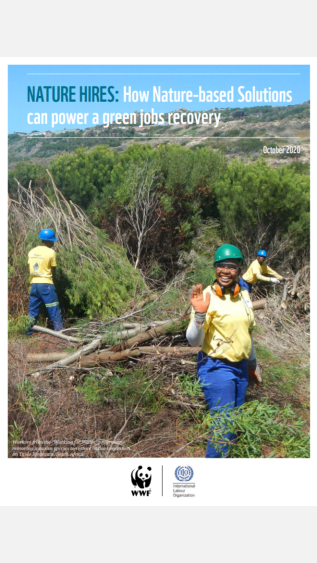
This report also demonstrates societal challenges where NbS can be effective, how they support job creation, and how they have been used, providing evidence and examples as to how they integrally support the achievement of the SDGs and a sustainable response to the COVID-19 crisis.
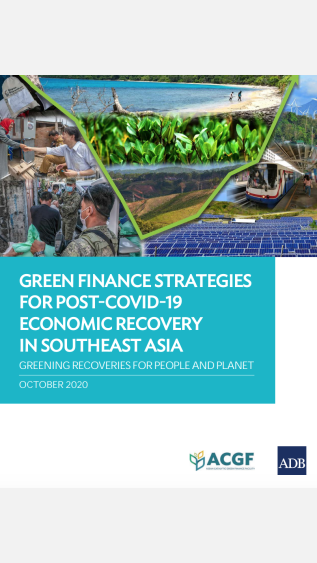
This publication examines innovative finance mechanisms for government recovery strategies that can incentivize green infrastructure investment in developing Asia and support the fight against the coronavirus disease (COVID-19) pandemic.

On 29 September 2020 at 10:00 (CEST), Trade & Industrial Policy Strategies (TIPS) is hosting a webinar of on 'Unravelling South Africa’s Just Transition: Stakeholder perspectives'.