
This document cautions that badly designed economic recovery plans risk exacerbating social inequalities and the environmental crisis and that stimulus packages should aim for a sustainable, equitable, and resilient recovery, in line with the European Green Deal.
This report sets out the framework for the United Nations’ urgent socio-economic support to countries and societies in the face of COVID-19, putting in practice the UN Secretary-General’s Shared Responsibility, Global Solidarity report on the same subject.
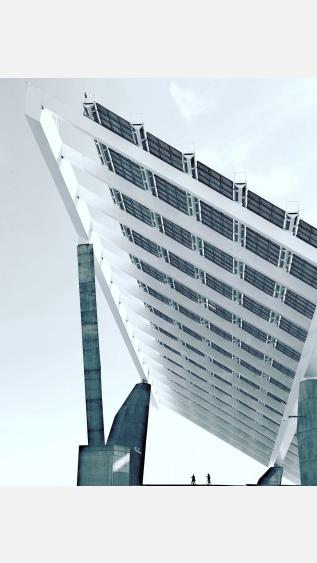
This resource examines how energy efficiency investments can boost economic growth in COVID-19 response and rebuilding efforts. It examines three categories of energy efficiency investments for governments to consider in their economic stimulus packages to either enhance existing programmes or develop new ones.
This policy brief synthesises the learnings in the tourism sector from seven market systems analyses, which shed light on some common themes and challenges from a wide array of contexts. Part 1 explores the workers and their challenges, Part 2 unpacks the common tourism market constraints, and Part 3 identifies key opportunities that can help development projects create more and better jobs.
COVID-19 will have far-reaching impacts on labour market outcomes. Beyond the urgent concerns about the health of workers and their families, the virus and the subsequent economic shocks will impact the world of work across three key dimensions: 1) The quantity of jobs (both unemployment and underemployment); 2) The quality of work (e.g. wages and access to social protection); and 3) Effects on specific groups who are more vulnerable to adverse labour market outcomes.
In times of crisis, International Labour Standards provide a strong foundation for key policy responses that focus on the crucial role of decent work in achieving a sustained and equitable recovery. These standards, adopted by representatives of governments, workers’ and employers’ organizations, provide a human-centred approach to growth and development, including by triggering policy levers that both stimulate demand and protect workers and enterprises.
In this policy note, the ILO provides a policy framework for addressing COVID19 with three pillars:
Protecting workers in the workplace
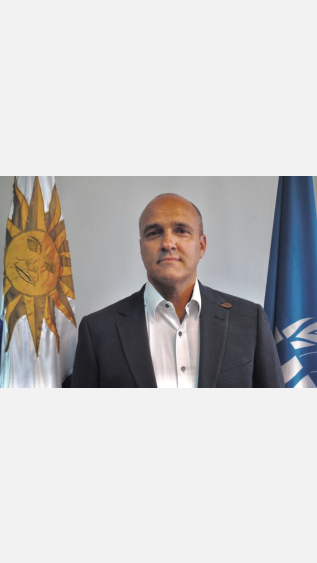
Manuel Albaladejo, the representative of the United Nations Industrial Development Organization (UNIDO) in Uruguay, is one of the leading promoters of a circular economy in Latin America. In this interview with Chile’s País Circular, originally published on 9 March 2020, he analyses the challenges and prospects for the circular economy in Chile and the region. The original interview in Spanish can be found here. The following translation into English is by Paula Mirazo.