
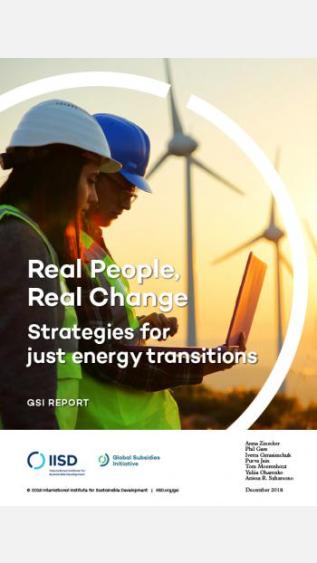
This report aims to support governments of developed and developing countries in their endeavour to make energy transitions just. It brings together political and communications strategies for a just transition, building on research and case studies of energy transitions that have happened or that are happening in Canada, Egypt, Indonesia, India, Poland and Ukraine.
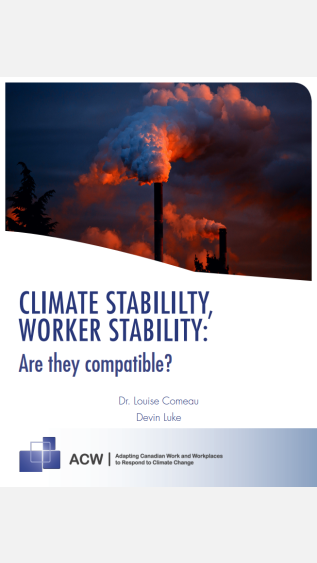
This working paper, Climate Stability, Worker Stability: Are they compatible?, addresses the dilemma inherent within a low-carbon transition. The transition away from fossil fuels is a necessary part of climate change mitigation, yet that entails losing traditional energy sector jobs. How can this be done justly and what role, if any, do broader societal trends have in this discussion?

Enrico Botta presented his issue paper A review of “transition management” strategies: Lessons for advancing the green low-carbon transition at the GGKP's Sixth Annual Conference, held in conjunction with the OECD's 2018 Green Growth and Sustainable Development Forum on the theme of "Inclusive solutions for the green transition: Competitiveness, jobs/skills and social dimensions".

The Rwizi River in Western Uganda livelihoods for thousands of people who live along its banks: water for drinking and sanitation, plants and animals for harvesting and hunting, and mud and sand for construction. However, climate change and over-exploitation have left the river badly damaged and at risk of drying up completely. The government has introduced new rules to protect the river and those who depend on it, but many people have no choice but to break these laws in order to earn a living.
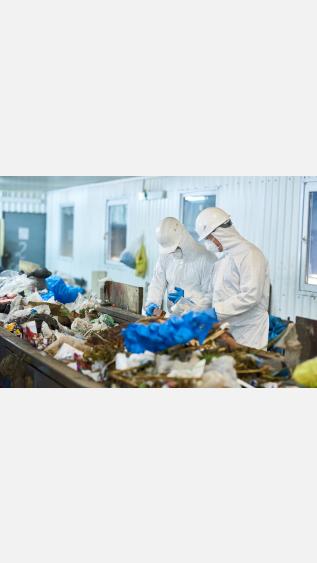
On 12-16 November 2018, the Green Jobs Programme of the International Labour Organization (ILO) and the ILO International Training Centre (ITC-ILO) are holding a course on "Opportunities for green jobs in the waste sector". The deadline for application is 5 October 2018.

The Spanish government unveiled a bold plan to close its coalmines by the end of 2018. Displaced workers will receive opportunities to re-train for jobs in cutting-edge green industries and former coal communities will benefit from environmental restoration programmes. Managing labour market transitions in the shift to a green economy was a central theme of the Sixth GGKP Annual Conference, held in conjunction with the OECD's 2018 Green Growth and Sustainable Development Forum (GGSD) on "Inclusive solutions for the green transition: Competitiveness, jobs/skills and social dimensions" on 27-28 November 2018 in Paris, France.