
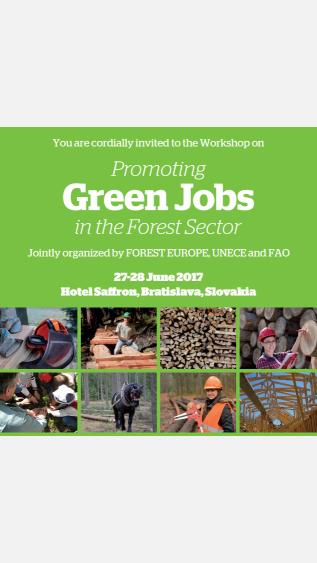
The forest sector has a great potential to generate jobs and income, support livelihoods and contribute to rural development by supplying goods and maintaining forest ecosystem services.
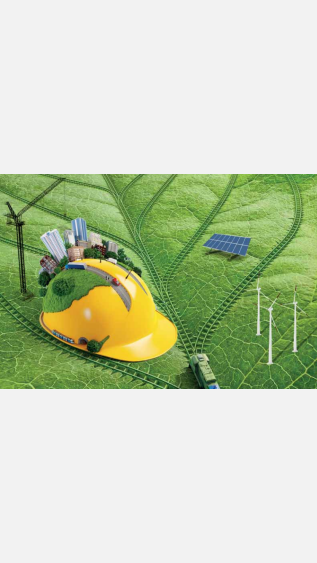
The importance of decent work in achieving sustainable development is clearly highlighted by SDG 8 which aims to “promote sustained, inclusive and sustainable economic growth, full and productive employment and decent work for all”.
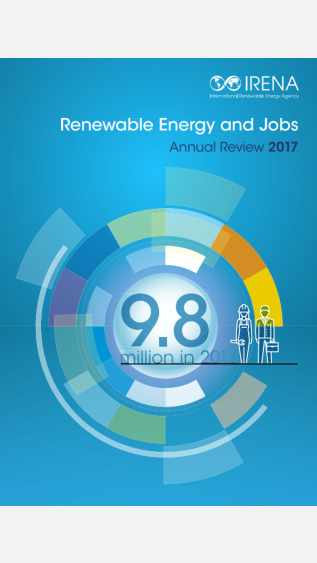
Renewable Energy and Jobs – Annual Review 2017 presents the status of renewable energy employment, both by technology and in selected countries, over the past year. In this fourth edition, the International Renewable Energy Agency (IRENA) finds that renewable energy employed 9.8 million people around the world in 2016 – a 1.1% increase over 2015.
Jobs in renewables excluding large hydropower increased by 2.8%, to reach 8.3 million in 2016. China, Brazil, the United States, India, Japan and Germany accounted for most of the renewable energy jobs. The shift to Asia continued, with 62% of the global total located in the continent.
Solar photovoltaic (PV) power was the largest employer, with 3.1 million jobs, up 12% from 2015. The growth came mainly from China, the United States and India, whereas jobs decreased for the first time in Japan, and continued to decline in the European Union. New wind power installations in the United States, Germany, India and Brazil, meanwhile, contributed to the increase in global wind employment by 7%, to reach 1.2 million jobs.
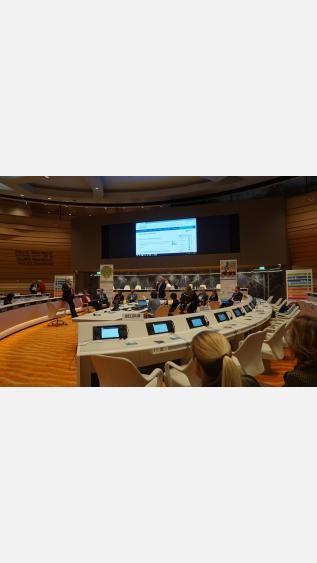
Following up on member States’ pledges to green their economies and to improve air quality across the region at the Eighth Environment for Europe Ministerial Conference
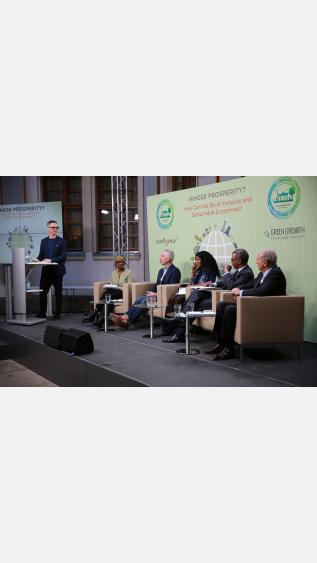
There was disagreement, there were innovative ideas, some laughs, stern opposing opinions and a wealth of knowledge debating globalization and sustainability in the 21st century.
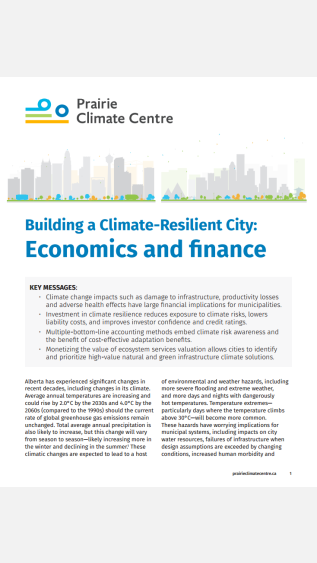
Alberta has experienced significant changes in recent decades, including changes in its climate.