

Climate change has the potential to disrupt labor markets in the region both directly (through events such as floods, hurricanes, heat waves, and changes in precipitation patterns) and indirectly (through changes in regulations and policies meant to fight climate change, such as green taxes or emission reduction policies). The good news is that evidence suggests that transitioning to a zero-carbon economy will result in a net creation of jobs.
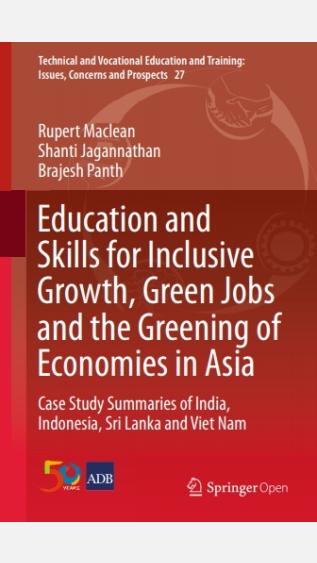
This report presents an overview of the main research findings and case studies concerning education and skills for inclusive growth, green jobs, and the greening of economies.

The report Skills for Green Jobs Study – Guyana examines and reflects on Guyana’s experiences identifying, anticipating and responding to skills needs for green jobs as the country transitions to a green economy.
The report Employment in the Environmental Sector and Green Jobs in Mongolia describes a pilot survey which was conducted to collect data on environmental sector employment and green jobs in Mongolia.
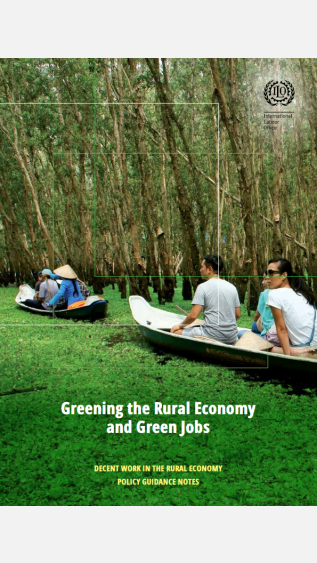
The policy guidance note Greening the Rural Economy and Green Jobs focuses on a number of areas that are at the heart of rural economies and could be engines for a sustainable economic transformation. These are: a) powering the rural economy through access to clean energy; b) revitalizing agriculture through sustainable and high productivity farming methods; c) fostering sustainable tourism; d) restoring ecosystems for productivity, income and resilience; e) implementing social protection and just transitions programmes to offset the negative effects of development policies; and f) stimulating social dialogue for an effective, inclusive and productive transition to sustainable economies. These are policy areas in which the ILO has accumulated solid policy and project experience, building comparative advantage in line with its mandate in promoting sustainable socio-economic development.
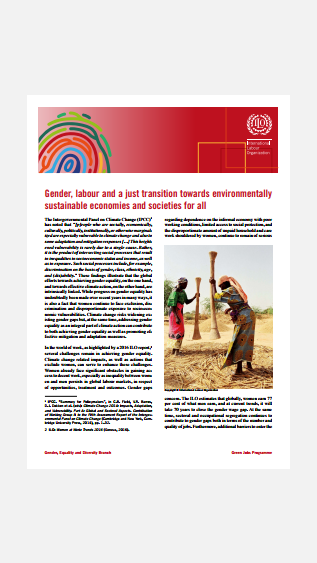
The publication Gender, Labour and a Just Transition Towards Environmentally Sustainable Economies and Societies for All highlights how a just transition with inclusive climate action can play a strong role in transforming gender norms and furthering gender equality.