
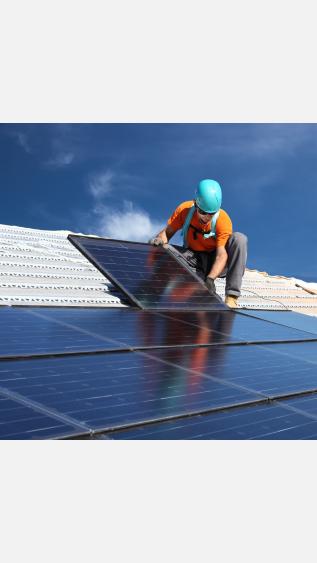
Green growth is increasingly being seen as a means of simultaneously meeting current and future climate change obligations and reducing unemployment. This paper uses detailed industry-level data from the Bureau of Labor Statistic's Green Goods and Services survey to examine how the provision of so-called green goods and services has affected various aspects of the US economy. The authors' descriptive results reveal that those states and industries that were relatively green in 2010 became even greener in 2011. To investigate further the authors include green goods and services in a production function. The results show that between 2010 and 2011 industries that have increased their share of green employment have reduced their productivity although this negative correlation was only for the manufacture of green goods and not for the supply of green services.
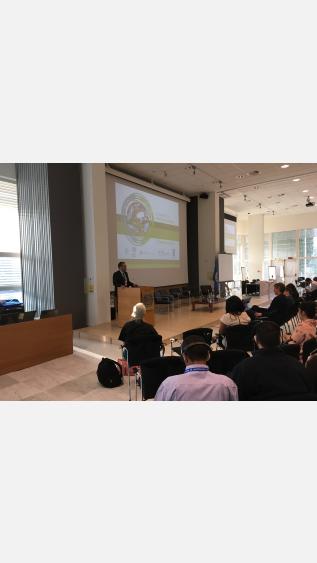
A High-Level Policy Dialogue and Knowledge Fair inaugurated the 2016 global Academy on the Green Economy to build inclusive green economies.
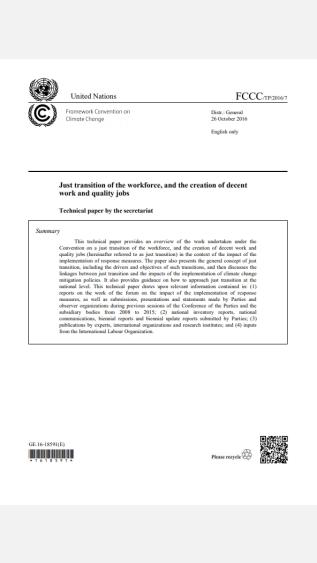
This paper provides an overview of the work undertaken under the Convention on a just transition of the workforce and the creation of decent work and quality jobs in the context of the impact of the implementation of response measures.
In the view of pressing unemployment and environmental problems, different policies have been proposed to create jobs in the transition to a green economy, including the so-called “green jobs”. There has been an intense debate on the quantification of these employment effects, especially in the European Union. Most studies have focused on estimating gross future employment effects and have ignored the effects between different sectors and countries. This paper looks, for the first time, at the past net employment impacts from the transformation of the EU energy sector including spill-over effects, by using a multi-regional input–output model and the World Input–Output Database. The analysis is focused on the period (1995–2009) when the EU’s energy structure went through a significant shift, away from the more carbon intensive sources, towards gas and renewables. The researchers estimate the net employment generated from this structural change at 530,000 jobs in the EU (0.24% of total employment in 2009), of which one third is due to trans-boundary effects within the EU (i.e. employment generated in one country due to the changes in another).

The Fourth Green Growth Knowledge Platform (GGKP) Annual Conference will focus on the theme of “Transforming Development through Inclusive Green Growth” during 6-7 September 2016 at the International Convention Center on Jeju Island, R
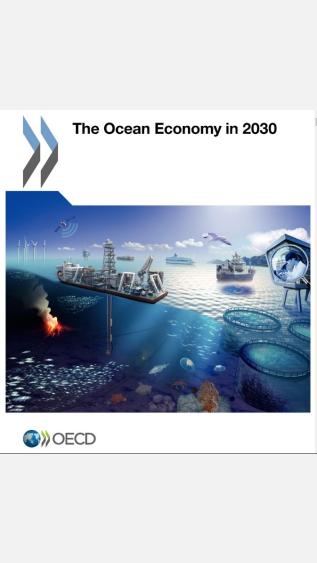
This report The Ocean Economy in 2030 explores the growth prospects for the ocean economy, its capacity for future employment creation and innovation, and its role in addressing global challenges.