
The management of Alaskan halibut fisheries has been enabled through a long-term collaboration between government policymakers and private fishing vessel owners in designing a scheme that rigorously meets environmental standards while enabling the industry to thrive.

The emerging concept of Green Jobs has yet to be clearly defined. This study uses critical discourse analysis and framing theory to analyse the meaning of Green Jobs claims, and their representation and transformation. Based on an analysis of print media from 1999 to 2009 and supporting policy documents, five predominant frames were identified in Green Jobs discourse: Environment–Economy Bridge, Green Entrepreneurship, Nascent Industry Creation, Internal Industry Transformation, and Structural Adjustment. Coverage of Green Jobs discourse has sharply increased since 2008. Although the term remains loosely defined and is employed in multiple ways, it is predominantly used as a strategic link between the recession and climate change policy. The fractured framing used in Green Jobs discourse hinders its uptake as a meaningful concept informing job creation, greening of industry, and sustainable development policy. Media, policymakers and advocacy groups should clarify the underlying definition when using the term.
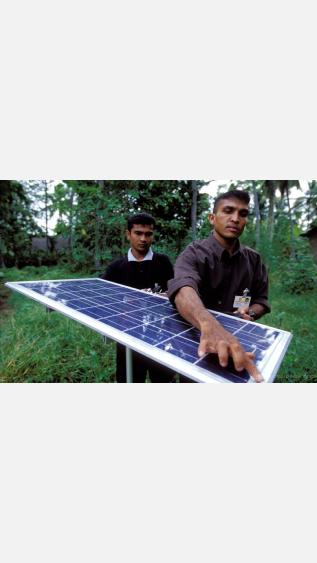
Moustapha Kamal Gueye, Policy Specialist on Green Jobs at the International Labour Organisation, explores the emerging evidence that green economies create jobs.
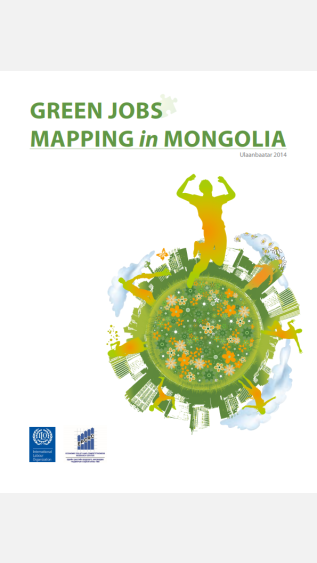
The Green jobs mapping study was carried out at the end of 2013 as part of the inception phase of Partnership for Action on Green Economy (PAGE) in Mongolia. The Green Jobs Mapping Study of Mongolia at hand gives an overview on green jobs in Mongolia.
This report reviews in a systematic manner the skills available and skills required for the introduction and deployment of green technologies in the cement industry in Indonesia. It reviews the existing systems in place for developing a skilled labour force and proposes some specific recommendations on how to adapt to evolving demands. This report builds on continuing efforts made by the International Labour Organization in reviewing the need for skills for green jobs and the development of sector-based analysis for advancing global research work on promoting decent work. The report provides evidence and additional new information to support a tripartite dialogue on the best approach for promoting access to skills for green jobs and the greening of existing jobs in the Indonesian cement industry to create decent, productive work and to improve the environmental sustainability and competitiveness of the sector.
This report reviews the skills available and skills required for the introduction and deployment of green technologies in the steel industry in India. It reviews the existing systems in place for developing a skilled labour force and proposes some specific recommendations on how to adapt to evolving demands. The report provides evidence and new information to contribute to a tripartite dialogue on promoting access to skills for green jobs and the greening of existing jobs in the Indian steel sector to create decent, productive work and to improve the competitiveness and environmental sustainability of the industry.