
This report highlights interventions to deliver emissions reductions in the apparel industry to align with a 1.5°C global warming scenario.
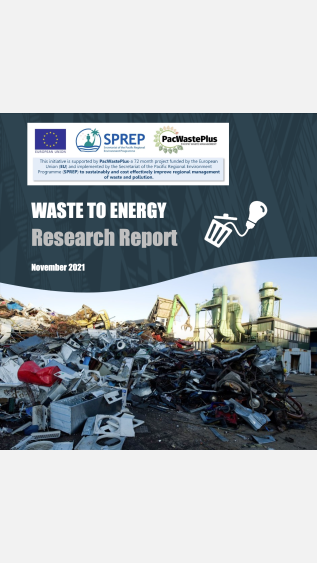
This report provides an overview of technology options and an analysis of their potential applicability for large population centres, remote islands and atoll nations.

This report aims to align international action on energy innovation, technology development and deployment, and data collection and use with the achievement of SDG 7 by 2030 and net-zero carbon emissions by 2050.
This joint policy note discusses how promoting trade can be best used as a tool for economic recovery and development.
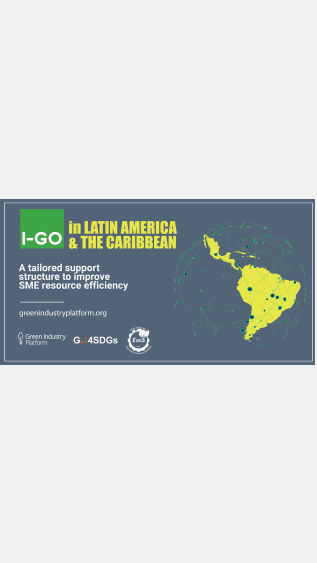
The I-GO initiative is rolling out a second regional pilot in Latin America and the Caribbean following its deployment in Africa. The Brazilian EngS Research Group is coordinating the project to unleash resource efficiency efforts of small and medium-sized enterprises (SMEs) in Brazil, Colombia, Mexico and Costa Rica.

Africa’s textile industry has been experiencing increased growth in recent years, but it has come at an environmental cost due to its huge energy and water demand and use of highly polluting chemicals. Taking a more circular approach, however, provides a paradigm shift that goes beyond the current “take, make and dispose” model and focuses on a more cost-effective and sustainable production process. This was one of the main takeaways of the In Africa for Africa: Weaving solutions for textile circularity challenges workshop organized at the World Resources Forum 2021 on 12 October 2021 by the Green Industry Platform, together with the Global Opportunities for Sustainable Development Goals (GO4SDGs) initiative and United Nations Environment Programme’s EU-funded InTex project.