
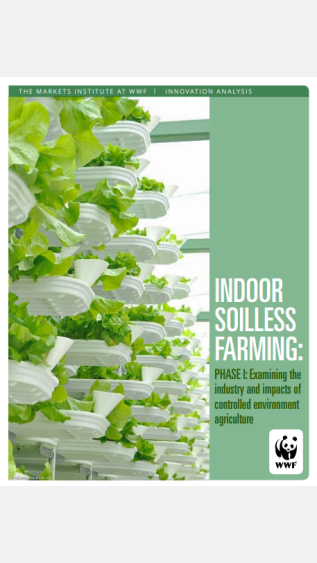
This Innovation Analysis from The Markets Institute at WWF examines the environmental impact of various systems of indoor soilless farming. These systems include hydroponics, aquaponics, and aeroponics in greenhouse and vertical settings.
Soilless vertical and indoor urban farming is a growing niche industry that aims to reduce many of the environmental impacts of conventional agriculture. At scale, this method of farming could decrease pressures on land, biodiversity, natural habitat, and climate. However, the industry also faces hurdles that prevent it from moving beyond its current specialisation. This analysis looks at how we might address some of these challenges and help bring these systems to scale.
Through Phase 1, this report explores the possibility of boosting the domestic - and eventually global - indoor soilless farming industry by leveraging stranded assets and building a robust coalition of local partners to launch a pilot farming system. Phase I activities included:
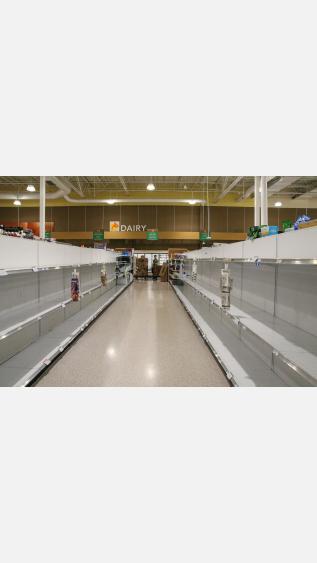
On 30 April 2020 at 20:30 (CEST), GreenBiz will host a webinar on 'Coronavirus and the Clean Economy'.
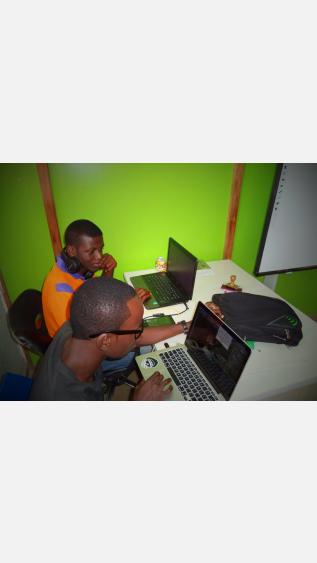
The United Nations Development Programme Centre for Technology, Innovation and Sustainable Development announces the COVID-19 detect and protect challenge in partnership with Hackster.io.

On 27 April 2020 at (CEST), the International Energy Agency (IEA) is hosting a webinar on the 'Integration of electric vehicles in areas of extreme heat'.

Find out how these low-tech, low-emission devices are salvaging food losses in the marketplace during the coronavirus pandemic and propping up agro-value chains across the continent.

The $8.5 billion Climate Investment Funds (CIF), among the world’s largest and most experienced climate funds, has approved a financial package of $28 million to support sustainable energy development in Zanzibar.