

Brindusa Fidanza, Founder and CEO of The Ground_Up Project, outlines why the new sustainable development goals can lead to a boom for business. The Ground_Up Association, a Swiss-based non-profit, is a partner in the GREEN-WIN project.
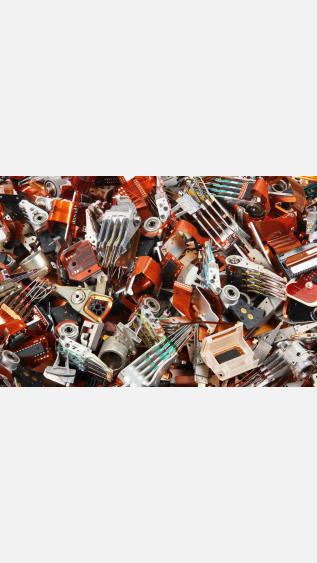
With our growing appetite for electrical and electronic products, combined with rapid innovation and ever-shorter product lifespans, e-waste has now become one of the fastest growing waste streams.
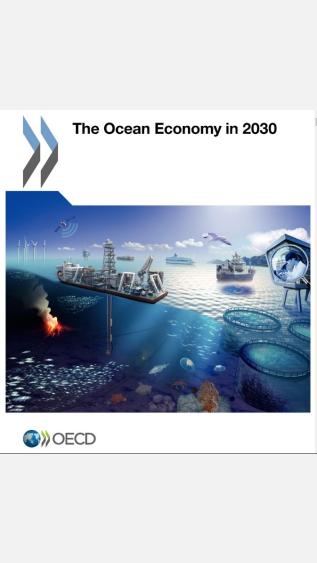
This report The Ocean Economy in 2030 explores the growth prospects for the ocean economy, its capacity for future employment creation and innovation, and its role in addressing global challenges.
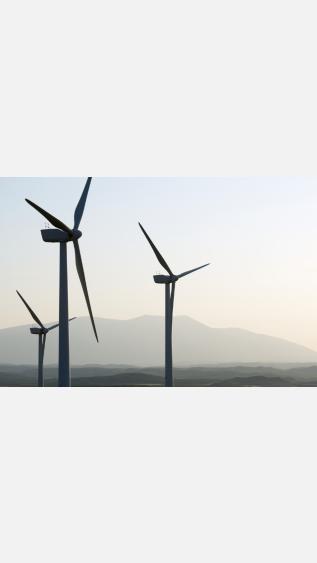
Featuring Edgar Hertwich, Yale School of Forestry & Environmental Studies Professor of Industrial Sustainability, member of the UNEP International Resource Panel

The green economy can be an opportunity for women to gain their rightful place in the workforce. On Africa Environment Day and Wangari Maathai Day, ILO News talks with Moustapha Kamal Gueye, Policy specialist on Green Jobs at the ILO, to get first-hand information on innovative policies to enhance environmental sustainability and create decent employment opportunities.
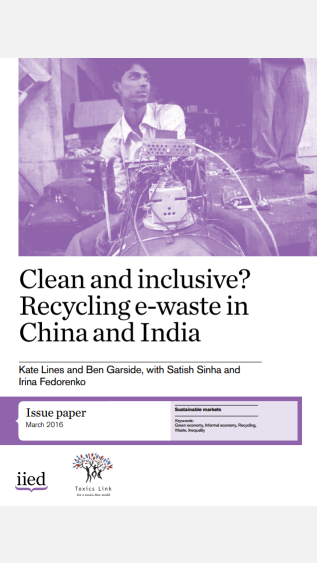
E-waste – electrical and electronic waste – is one of today’s fastest growing waste streams. By managing it well, we can recover valuable raw materials and reusable parts, with significant associated emissions savings. But much of its potential is lost when incorrectlly processed by informal and unregulated enterprises. This can damage both people’s health and the environment and intensify the vulnerability of workers.
Informal markets are where most of the world’s poor produce, consume and trade goods. Using case studies from China and India – both with huge informal e-waste sectors – this paper explores how to build inclusive, greener economies that retain the benefits of informal markets, while addressing how and why people are excluded from formal activities. Both countries are stepping up efforts to regulate but are failing to take into account the importance of engaging with the informal e-waste sector. How can drives to clean up harmful practices take their experience and expertise into account? And how can we develop effective policies to tackle pollution while supporting the health, livelihoods and economic activities of the poor and vulnerable?