

This case study reports on the various methods the Indonesian government has pursued to tackle climate change, starting with development of the National Action Plan for Reducing Greenhouse Gas Emissions in 2011.
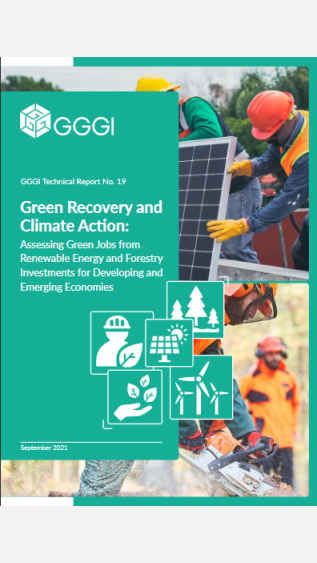
This case study is about assessing the employment benefits of implementing Nationally Determined Contributions in GGGI Member developing and emerging economies.

The release of the Intergovernmental Panel on Climate Change’s latest report represents a “code red for humanity” – and for climate-vulnerable Indonesia. Having already pledged to reach net zero emissions by 2060, how can a country of 17,000 islands now implement change on the scale required? The answer – as Indonesia is learning – starts in the classroom.

An overview of how Indonesia has taken progressive steps to reform public climate finance management.
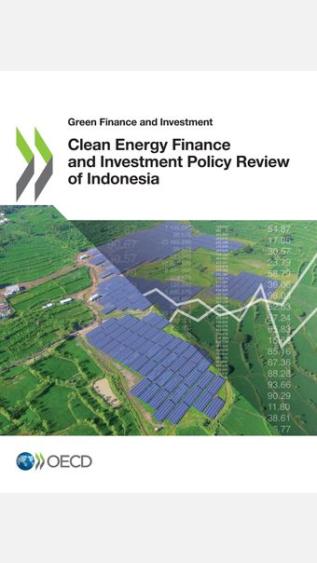
This report provides a comprehensive overview of the current policy framework in Indonesia, highlighting progress and identifying untapped opportunities for strengthening policy interventions that can help scale up clean energy finance and investment.
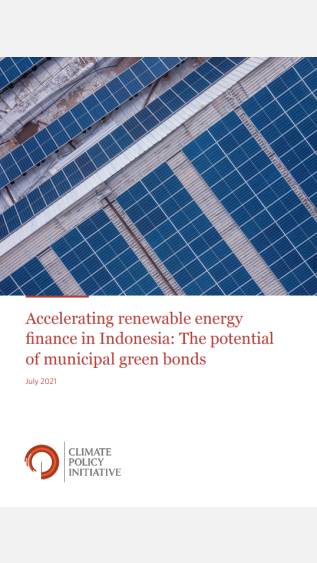
This paper proposes the use of municipal bonds to support Indonesia’s energy transition targets and analyse the overall feasibility of implementing such bonds.