
Zimbabwe’s social infrastructure services have historically been constrained by persistent energy shortages. Healthcare has been among the systems most affected by this massive power deficit.
Iran occupies a large expanse of predominantly arid or semi-arid land in West Asia.
This case study illustrates Guiding Principle 8: Fiscal Sustainability and Innovative Financing and is part of a series of ten case studies which aim to inform the forthcoming wave of global infrastructure investment. Collectively, they specify and demonstrate how environmental, social and economic sustainability must be integrated right across infrastructure policymaking at the systems-level. The individual principles and case studies were developed via ongoing global consultation and inputs from experts and UN Member States, as part of implementation of the UN Environment Assembly (UNEA) Resolution 4/5 on Sustainable Infrastructure.
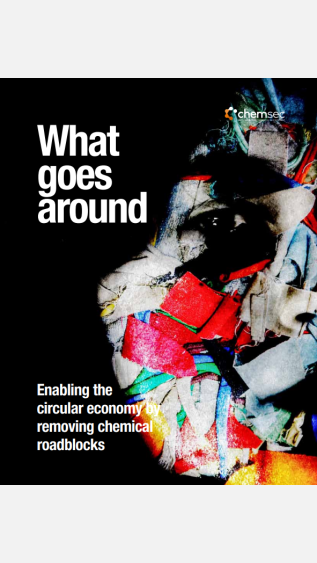
This report takes a closer look at available and proposed recycling methods, and their ability to tackle and eliminate chemicals of concern from input waste materials.
This report sets out ten guiding principles that policymakers can follow to help integrate sustainability into infrastructure planning and delivery. They are focused on integrated approaches and systems-level interventions that governments can make to create an enabling environment for sustainable infrastructure.
This report includes of a selection of case studies that illustrate each of the ten guiding principles which are featured in the first publication of this series on International Good Practice Principles for Sustainable Infrastructure.