
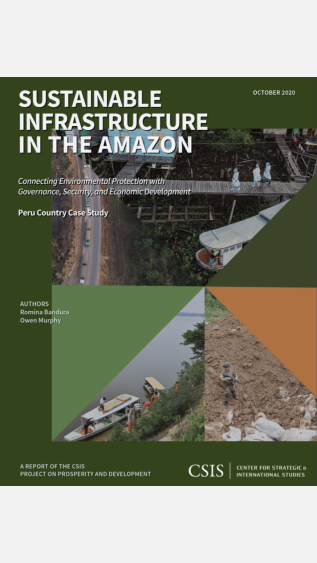
The present case study analyses infrastructure development in the Peruvian Amazon and its connection to deforestation, human security, and the rule of law.
The purpose of the Resilient Water Infrastructure Design Brief is to guide users on how resilience can be built into the engineering design of their project. With a focus on the three natural hazards most likely to affect water and sanitation infrastructure (droughts, floods, and high winds from storms), the document provides a six-step process to help users address weather and climate related challenges that are most likely to affect an infrastructure component at some point in its operational lifetime.
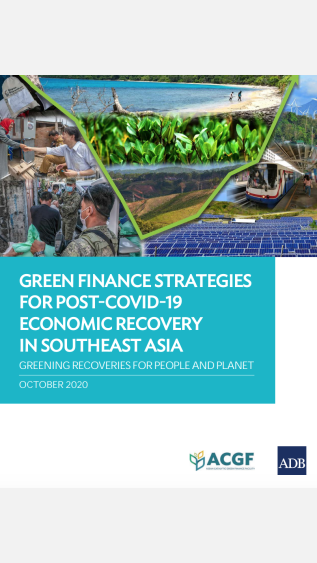
This publication examines innovative finance mechanisms for government recovery strategies that can incentivize green infrastructure investment in developing Asia and support the fight against the coronavirus disease (COVID-19) pandemic.
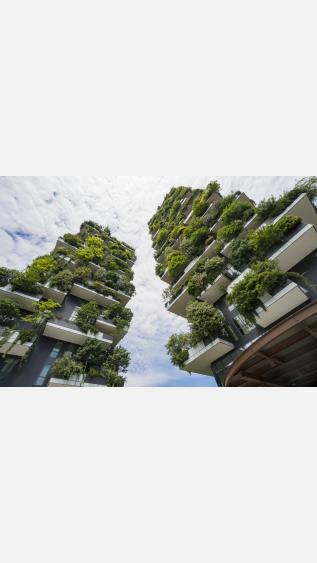
This is the first session of the “Infrastructure and Nature Webinar Series” leading up to the 2021 IUCN World Conservation Congress.
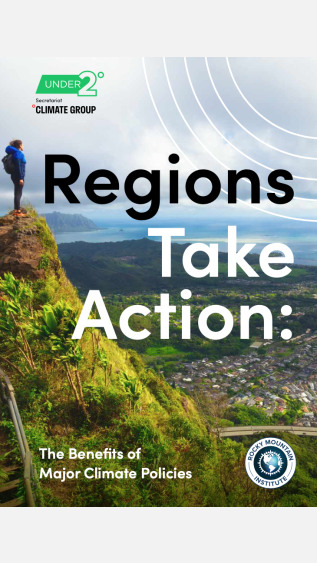
This handbook shows how regional governments are reaping the immediate benefits of decisive climate action while also safeguarding the future. For these governments, a collection of key actions is driving significant impacts on the economy, equity, public health, air quality, and resilience. The handbook details five transformative actions regional governments can take to limit the effects of climate change while supporting a broad range of other societal benefits.
This report aims to impart the conversations and takeaways discussed among key stakeholders in the Philadelphia community at the Philadelphia New Normal Forum, a virtual convention held in May 2020. Among the findings discussed in the Report are key challenges and opportunities identified along each of the Forum’s four discussion themes - City Infrastructure, Neighborhood Essentials, Inclusive Communities, and Intentional Investment. In its efforts to demonstrate SDG materiality and feasibility for multi-stakeholder implementation, the report takes an intermediate step of mapping identified challenges and opportunities to specific UN SDG targets, as well as goals identified in Philadelphia’s comprehensive plan for growth and development, also known as Philadelphia2035.