
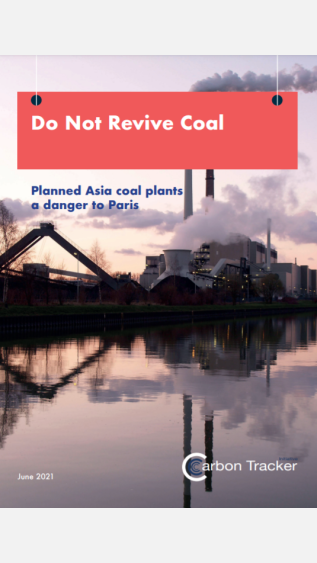
Coal is increasingly unviable both financially and environmentally and is ceasing to make sense as an option for investors and governments. This third annual report in the Carbon Tracker’s Powering Down Coal series finds that investments in new renewables beat investments in new coal in all major markets when comparing the levelized cost of energy for both.
While the social and economic effects of COVID-19 are likely to last for many years, careful recovery planning can mitigate negative long-term impacts. For Indonesia, reassessing its reliance on coal for electricity would be an important step in the country’s green recovery.
This paper provides an empirical analysis of the impact of energy price increases – induced notably by the removal of fossil fuel subsidies – on the joint environmental and economic performance of Indonesian plants in the manufacturing industry for the period 1980-2015.
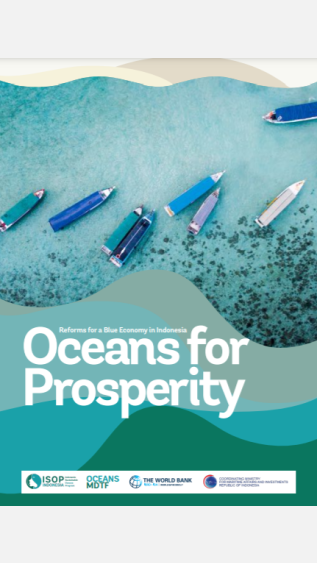
This report describes an integrated and multi-sectoral blue economy strategy as the key to improving marine and coastal activities, equal opportunities, and livelihoods in Indonesia.

This briefing paper explores the challenges and opportunities to address deforestation among palm oil smallholders in Indonesia, with a particular focus on independent smallholders.
This assessment shows that the nature-based infrastructure solution of land restoration is more cost effective than building a reservoir for water storage and also provides significant societal benefits.