
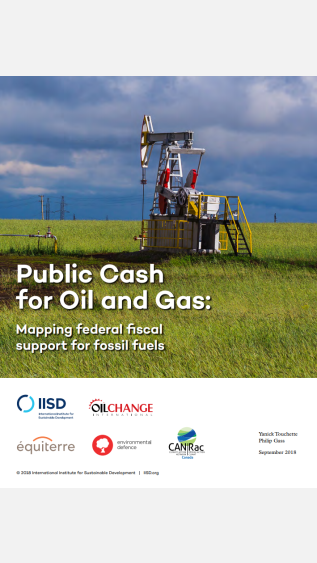
Canada is still the largest provider of subsidies to oil and gas production in the G7 per unit of GDP. This briefing spotlights the remaining subsidies to oil and gas production in Canada, focusing on two specific types of subsidies: direct transfers and fiscal exemptions made available to fossil fuel extraction and production.
On 5 July 2018 (5:00 PM CET), the International Institute for Sustainable Development (IISD) is holding a webinar on "Economic Instruments to Leverage Clean Energy Investment".
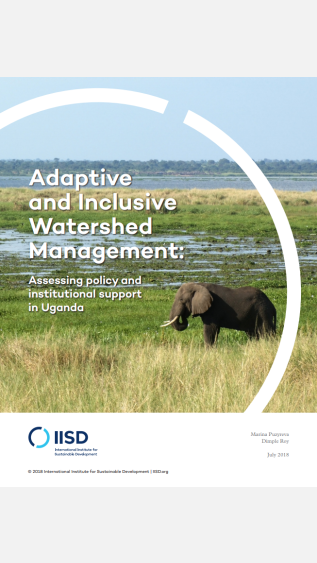
This report, Adaptive and Inclusive Watershed Management: Assessing policy and institutional support in Uganda, explores existing institutional linkages between gender, water and climate change in Uganda.
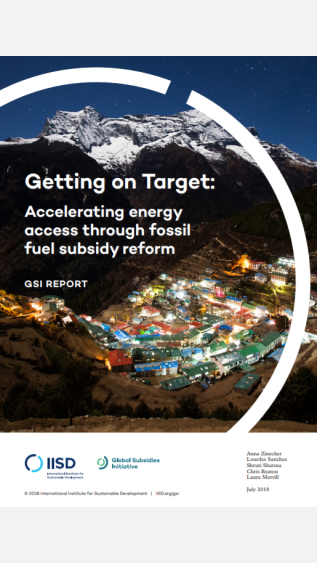
Sustainable Development Goal (SDG) 7 calls upon the global community to ensure access to affordable, reliable, sustainable and modern energy for all by 2030. Often people assume that fossil fuel subsidies help the poor by making energy more affordable. In fact, most fossil fuel subsidies are not working well for energy access and poverty goals. The annual fossil fuel subsidy expenditure of USD 425 billion could be better invested by governments towards SDG outcomes. This is already recognized by SDG 12, in which the UN General Assembly’s 193 members included the reform of inefficient fossil fuel subsidies as a means of implementation to achieve more sustainable consumption and production. Subsidy savings could be invested to get on target for many development goals—not least, those on energy access.
This paper, Getting on Target: Accelerating energy access through fossil fuel subsidy reform, reviews the financial implications of fossil fuel subsidies and takes a closer look at how reforming fossil fuel consumption subsidies could interact with energy access goals.
Key findings of this paper are:
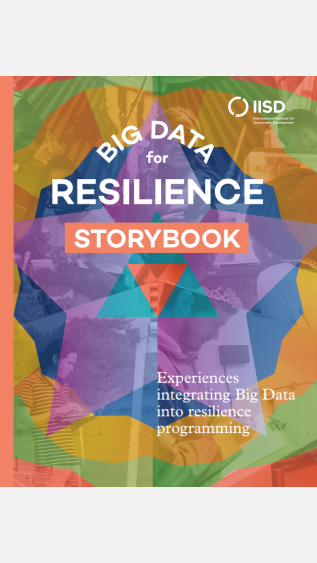
IISD's Big Data for Resilience Storybook explores the links between Big Data and resilience building through a new resilience lens. Aimed at an audience of resilience and development practitioners, the Storybook offers diverse experiences and practice-based recommendations to leverage Big Data’s potential and address its risks as part of efforts to build resilience. The Storybook is a collaborative initiative that features the experiences of seven international organizations working at the intersection of Big Data and resilience in vulnerable settings:
On 22 February 2018 (10:00AM CST), the International Institute for Sustainable Development (IISD) is holding a webinar on "Localizing the Sustainable Development Goals in North American Communities".