
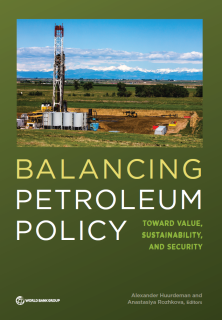
Petroleum discovery in a country presents its policy makers with a challenging and complex task: formulating and agreeing on policies that will shape the country’s petroleum sector and guide the translation of the newly discovered resources into equitable and sustainable economic and social growth for the nation over the long term.
Balancing Petroleum Policy provides policy makers and other stakeholders with the basic sector-related knowledge they need to embark on this task. It introduces a number of topics, including:
- The petroleum value chain and pivotal factors affecting value creation,
- A consultative process for developing a nation’s common vision on key petroleum development objectives,
- Design of a legislative and contractual framework,
- Petroleum fiscal regimes and their administration, prudent fiscal management, transparency, and governance,
- Environmental and social safeguards, and
- Economic diversification through industrial linkages.
The book gives special focus to developing countries, countries in a federal or devolved setting, and countries that have experienced or are still experiencing civil conflict. With this focus in mind, the book examines three key policy questions on ownership, management, and revenue sharing of petroleum resources. It also offers important perspectives on how to prevent violent conflicts related to such resources. Although there is no one-size-fits-all policy and there are no clear-cut answers to the many potential policy dilemmas associated with the discovery of petroleum resources, this publication may help policy makers to find the right balance among the chosen objectives and the right policy choices to achieve these objectives.