
ENGLISH BELOW
联合国环境规划署(UNEP)的一份报告《
“我们不能再对基础设施使用一切照旧的方法,
报告提到,建成环境,如办公大楼、高速公路、发电厂,
“
为了帮助各国实现这一目标,
该报告还强调了可持续基础设施的经济回报,包括可再生能源工厂、
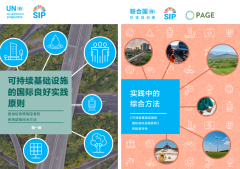
此外,环境署还发布了《可持续基础设施的国际良好实践原则》
随着 COVID-19 引发全球刺激支出浪潮,欧洲投资银行副行长 Ambroise Fayolle 表示,这些原则的发布“是及时的,
A report by the United Nations Environment Programme (UNEP), International Principles of Good Practice for Sustainable Infrastructure states that the development of sustainable infrastructure is essential to combat climate change, improve public services, and drive COVID-19 economic recovery. It urges planners and policymakers to take a more systematic approach to sustainable infrastructure, integrating it into their long-term development plans and ensuring that man-made systems work in tandem with natural systems.
"We can no longer afford to use a business-as-usual approach to infrastructure, which can lead to ecological damage and massive CO2 emissions. Investing in sustainable infrastructure is not only good for the environment, but it also provides economic and social benefits. Low-carbon, nature-friendly infrastructure projects can help minimize the sector's environmental footprint and provide a more sustainable and cost-effective way to close the infrastructure gap," said Inger Andersen, executive director of the United Nations Environment Programme (UNEP).
The report mentions that the built environment, such as office buildings, highways and power plants, accounts for 70 percent of all greenhouse gas emissions. Poorly designed infrastructure can also displace local residents, endanger wildlife and affect public finances for decades.
"We urgently need sustainable and climate-resilient infrastructure as an integral part of green growth to provide energy, water and transportation solutions that promote opportunity, connectivity and sustainable growth." said former UN Secretary-General Ban Ki-moon. He is currently the director of the Global Green Growth Institute (GGGI), which is also a partner of UNEP. Ban also said the report is "a very useful guiding framework for developing sustainable infrastructure."
To help countries achieve this goal, the report provides guidelines for governments to integrate sustainability into their infrastructure decisions. It recommends that countries integrate their infrastructure planning with the UN Sustainable Development Goals. It also urges minimizing the environmental footprint of construction projects and meaningfully involving local communities in infrastructure decision-making.
The report also highlights the economic returns of sustainable infrastructure, including renewable energy plants, environmentally friendly public buildings and low-carbon transportation. Investing in renewable energy and energy efficiency creates five times more jobs than investing in fossil fuels, it says. According to the World Bank, every $1 invested in resilient infrastructure in developing countries generates a return of $4.
In addition, UNEP has released a companion publication to the International Principles of Good Practice for Sustainable Infrastructure, "An Integrated Approach in Practice," showcasing innovative approaches to sustainable infrastructure development in a number of countries.
With COVID-19 triggering a global wave of stimulus spending, Ambroise Fayolle, vice president of the European Investment Bank, said the release of the principles "is timely and reminds us all of the importance of rebuilding for the better. "