


This past week, 24 innovative climate and clean technology startups graduated from Vietnam’s first-ever clean tech bootcamp, which was organized by infoDev/World Bank’s Climate Technology Program (CTP) in partnership with the Asian Development Bank (ADB). The CTP initiative aims to accelerate the growth of new green businesses in the region and help reduce the significant threats posted by climate change.
With the development of locally relevant clean technology companies, Vietnam can build innovative and competitive local industries while strengthening its resilience to climate change. Furthermore, these companies can also improve access to clean water and affordable energy, while creating local green jobs.
Vietnam is not the only country that can meet multiple “green” objectives by supporting local clean technology industries. As the new infoDev/World Bank report ‘Building Competitive Green Industries: The Climate and Clean Technology Opportunity in Developing Countries’ highlights, countries that successfully develop local clean technology industries can achieve simultaneous progress toward economic and climate objectives.
The study, with technical analysis prepared by The Carbon Trust, has assessed the potential market for 15 emerging clean technology sectors in the developing world. Together, investments in these sectors are estimated to reach up to US$6.4 trillion over the coming decade (2014-2023). Even more promising, US$1.6 trillion of that sum represents business opportunities for small and medium-sized enterprises (SMEs), which are important drivers of high-quality job creation and competitiveness in technology sectors.
So what are the clean technologies driving this trend? Renewable Energy Technologies (RETs) – such as solar, wind and geothermal power – immediately come to mind. However, clean technologies – climate and environmentally friendly solutions – cover several other sectors. For example, the transportation sector features such clean technologies as electric vehicles, electric bicycles, and bus rapid transit that improve mobility without increasing emissions.
Climate-smart agriculture is another important sector where clean technologies, such as highly efficient irrigation systems and climate-resilient crops, are becoming increasingly mainstreamed as countries seek resilience to climate change. Speaking of adaptation to climate change, wastewater treatment, water management and purification technologies provide tremendous business opportunities while making the most of ever-more-scarce water resources.
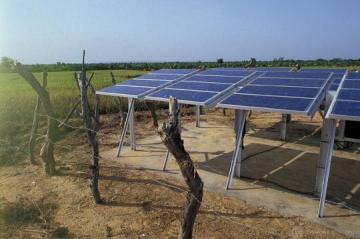
So the data confirm the potential, but how is the private sector embracing it? The Vietnamese climate and clean technology companies that participated in the bootcamp illustrate that many are already working themselves into global value chains as suppliers, distributors and service providers. One company called Vietnam Eco Solutions has developed a portable solar power storage and supply system for off-grid customers to replace diesel generators commonly used in rural parts of Vietnam.
But here’s the catch. Clean-tech firms have higher upfront capital requirements, longer payback periods for investors, and a heavier reliance on government policy than other technology sectors. SMEs in particular face significant barriers to entry despite their key role in developing locally appropriate technologies and business models. Countries that aim to be competitive in clean-technology sectors need models – some of which are highlighted in the report – to address the unique challenges faced by clean-tech firms.
So, what can be done to support the competitiveness of local clean-technology industries? The report offers suggestions for stakeholders in five areas: entrepreneurship and business acceleration, innovation finance, market development, technology development, and the legal and regulatory framework.
In line with these guidelines, infoDev’s Climate Technology Program has been supporting local clean technology industries with targeted initiatives that support entrepreneurs in their startup and early growth stages. These include various early-stage financing instruments, mentorship and advisory support for business owners, assistance for developing new technologies, and platforms for policy dialogue. This support is delivered through locally run Climate Innovation Centers (CICs). CICs are planned in eight countries with the goal of developing a pipeline of local clean technology companies that can attract the scale-up investments and resources needed to support sector-wide growth. In Vietnam, the program will continue to nurture and mentor climate technology SMEs and startups beyond the last week’s bootcamp.
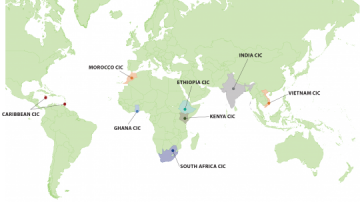
infoDev's global network of Climate Innovation Centers (CICs)
Given the $6.4 trillion market opportunity, countries that effectively support local clean-technology industries are poised to capture important economic and environmental benefits, while increasing agricultural output and improving access to energy and clean water. In many cases, it turns out, doing the right thing for the environment is also doing the smart thing for the economy.
This blog post is an update from the original post in the World Bank’s Private Sector Development Blog.