
Research

Africa is already experiencing the impacts of climate change. Temperatures are rising while extreme heat, droughts and intense rainfall are disrupting livelihoods, infrastructure and food systems across the continent. These hazards are expected to become more frequent and severe unless global emissions decline rapidly (IPCC, 2022). Climate risks...
This blog piece highlights recommended publications and resources from FARM Knowledge Hub, which shed light on key aspects of financing efforts to reduce reliance on harmful agrochemicals and agricultural plastics.

This article reflects the biocontrol industry's direction and potential from the perspective of the Financing Agrochemical Reduction and Management (FARM) programme.

Finance leaders are recognizing that investing in nature and resilience is essential to safeguarding stability—the true foundation of long-term growth and prosperity
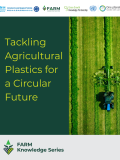
This article highlights key takeaways from the “Tackling Agricultural Plastics for a Circular Future” webinar, featuring expert insights on Extended Producer Responsibility (EPR) and microplastic detection in soil.
GGKP News

Discover how SMEs can drive change in the agri-food sector with insights on sustainability, resilience, and consumer impact.
GGKP News

This blog introduces GGKP's upcoming activities to help circular economy practitioners across the globe to collaborate and coordinate better.

Markets are strong and their language is well understood – money does talk. But maybe we need to make people talk and money listen. Takeaway from the 2023 World Circular Economy Forum, hosted by Sitra and other partners, and bringing together thousands of professionals on the topic of circularity – and how to achieve this seemingly distant and yet urgent goal in our economies.

This blog spotlights the gender & technology nexus, specifically in Small Island Developing States. It also aims at showcasing the gender transformative approach of the ISLANDS Programme as well as launching the Enhancing Gender Equality in Technology in SIDS Campaign.
Research

This GGKP blog reflects on infrastructure from a gender perspective as its design often fails to account for women's use patterns. By considering women's needs in the design and planning process of future infrastructure projects, making infrastructure more gender inclusive.