
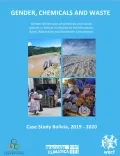
This report identifies good practices, policies and initiatives addressing the gender dimension in the context of chemicals management in Bolivia.
This paper argues that greater clarity about the transition to green hydrogen will help strengthen the alignment with Japan’s international climate strategy and local revitalization policies.
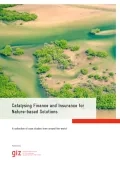
This report presents a variety of cases in which the private sector is supporting nature-based solutions in emerging markets and developing countries.
This report examines the implications of climate change and climate action for Brazil's development objectives and priorities, identifying opportunities for the country to achieve its development goals and climate commitments.
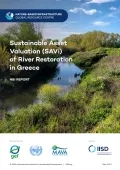
This report presents a Sustainable Asset Valuation (SAVi) of nature-based, hybrid and conventional infrastructure for addressing flood risks in the region of Thessaly.
This paper provides case studies of ecological compensation in China, which encompasses a wide range of programmes for addressing conservation and environmental restoration while supporting local livelihoods.
This report presents a summary of the most relevant findings from an extensive mapping exercise of energy sector practices in the Latin America and Caribbean region
The study focuses on technological alternatives that can lead to radical reductions of direct emissions in the country's heavy industries, particularly iron and steel, cement, refining and chemicals.
This report is designed to increase understanding across the UK financial sector of how it can support a just transition in agriculture.
This report is a consolidation of two audit reports, which aims to support the development and monitoring of waste and resource recovery projects in the Solomon Islands and recommend the infrastructure and policy interventions required.