
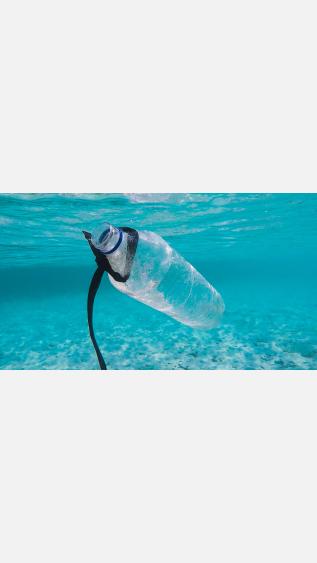
This policy identifies the vision, purpose, scope, and timeframe for the implementation of the process to ban the importation of specific single-use plastic products into the Cook Islands. The vision of this policy is a Zero Waste Cook Islands through a systematic reduction of the amount of solid waste both generated and disposed of.
The Basel Convention on the Control of Transboundary Movements of Hazardous Wastes and their Disposal was adopted on 22 March 1989 by the Conference of Plenipotentiaries in Basel, Switzerland and entered into force on 5 May 1992.
The Globally Harmonized System of Classification and Labelling of Chemicals (GHS) is the culmination of more than a decade of work. GHS provides a basis for globally uniform physical, environmental, health and safety information on hazardous chemicals through the harmonisation of the criteria for their classification and labelling.
The Minamata Convention on Mercury is a global treaty to protect human health and the environment from the adverse effects of mercury. It was agreed at the fifth session of the Intergovernmental Negotiating Committee on mercury on 19 January 2013 and adopted later that year on 10 October 2013 at a Diplomatic Conference.
This guidance document provides a standardized approach to developing inventories of polychlorinated biphenyls (PCBs) and conducting analysis for their identification and quantification.
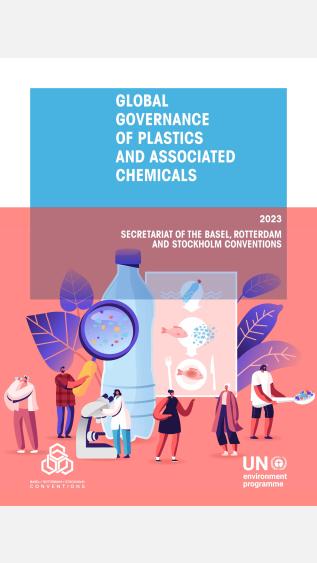
This report maps the global governance of plastics and associated chemicals, highlighting gaps and synergies, especially with the Basel, Rotterdam and Stockholm conventions, in the context of negotiations for a new international plastics instrument.