
The purpose of the Resilient Water Infrastructure Design Brief is to guide users on how resilience can be built into the engineering design of their project. With a focus on the three natural hazards most likely to affect water and sanitation infrastructure (droughts, floods, and high winds from storms), the document provides a six-step process to help users address weather and climate related challenges that are most likely to affect an infrastructure component at some point in its operational lifetime.
Disasters offer the opportunity, with the right frameworks in place, to strengthen competitiveness through build back, better initiatives, and to adapt to long-term climate change and disaster risks. Despite these insights, and the urgency to act, however, the evidential basis for policy intervention and conceptual frameworks for industry resilience are far from definitive, and gaps in knowledge remain. As a result, industry resilience policy and action remain low in both the public and private sectors, and firms and economies still face significant costs of inaction.
There is a unique opportunity to build back stronger during post-pandemic recovery efforts. Focusing stimulus packages on energy-related interventions that can help sub-Saharan African countries move quickly to become carbon-neutral economies can generate positive spillover effects into other sectors.
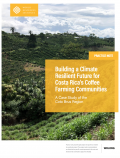
This practice note examines how climate change is threatening coffee-growing regions in Costa Rica, specifically the Coto Brus region. The case study outlines key findings from this region, including main challenges and existing factors that present opportunities to enhance climate resilience, and recommends actions that key sectoral actors can take to improve the sector’s climate resilience and long-term sustainability.
The paper suggests six focus areas that can accelerate growth of renewable energy and improve air quality in India.
This book offers policy options for countries to improve the access, quality, and affordability of services today, to ensure that they will be sustainable in the future, and to harness emerging technological advances for the benefit of all.
The objective of this report is to demonstrate how the checklist can be used as a screening, scoring, and prioritization tool to identify projects that create synergies between short-term needs and long-term objectives.
This paper explores seven priorities for national governments, as well as three cross-cutting measures, which can yield substantial economic dividends, rapidly create and protect millions of jobs for vulnerable populations and deliver quick and durable health and environmental benefits for citizens, all whilst contributing to long-term urban resilience.
The focus of this brief is on the immediate steps that governments can take to ensure that emergency measures implemented to tackle the Coronavirus (COVID-19) crisis do not derail their efforts to address pressing environmental challenges and improve the environmental health and resilience of societies.

This page provides articles, policy updates, and webinars on green recovery from COVID-19.