
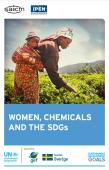
This report shows the impact chemicals have on women as a vulnerable group highly exposed to hazardous chemicals and gender inequalities related to decision-making around the management of chemicals and waste.
This paper maps several dimensions of the e-waste problem and provides a snapshot into future challenges. It looks into what we can anticipate into how the use of e-products and management of e-waste could evolve.
IIED's policy brief, How Climate Finance Can Help Repurpose Hydropower, explores how climate funds facilitate the transition to a low-carbon and climate-resilient future, particularly focusing on sustainable hydropower projects.
The report reviews ILO chemicals instruments as regards their content, ratification rate, implementation and highlights. The instruments are then put in the wider context of other international instruments on chemicals such as the Basel, Rotterdam and Stockholm Conventions (BRS Conventions) and the Minamata Convention on Mercury as well as current international strategic frameworks which aim at eliminating or at least minimizing chemical hazards on a global scale.
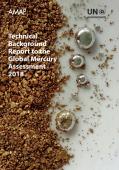
The Technical Background Report to the Global Mercury Assessment 2018 was produced by an international team of experts convened through a collaboration between UN Environment and the Arctic Monitoring and Assessment Programme (AMAP). World Health Organization experts contributed to sections dealing with mercury exposure in humans.