
The Climate Risk-Informed Decision Analysis (CRIDA) provides a crucial framework to enable water managers and policy makers to assess the impact of climate uncertainty and change on their water resources and work towards effective adaptation strategies.
Energy Technology Innovation in South Asia: Implications for Gender Equality and Social Inclusion addresses how energy systems and services can improve women’s economic empowerment. It argues that integrating gender equity considerations into technology design and drawing women into this process is not only an equal employment opportunity issue, but is also crucially about how the world we live in is shaped, and for whom.
This policy brief, Mainstreaming Biodiversity In The Infrastructure Sector: Fostering system-level approaches, explores interlinkages between biodiversity, ecosystems, and landscapes and diverse forms of infrastructure. Recognising that this nexus is central to achieving the 2030 Agenda for Sustainable Development, it calls attention to the need for an integrated approach to infrastructure planning and development to mainstream biodiversity in the infrastructure sector.
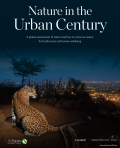
Released in advance of the 2018 UN Convention on Biological Diversity Conference of the Parties meeting, Nature in the Urban Century, this report from The Nature Conservancy, Future Earth and The Stockholm Resilience Center, calls for global action to conserve habitat for nature and for human well-being as global leaders work to revise goals for biodiversity protection within the convention.
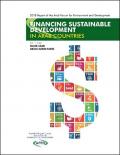
This report, released the 2018 Arab Forum for Environment and Development Annual Conference, identifies financing needs, gaps, options and mechanisms for sustainable development in Arab countries, focusing on sources of finance and addressing enhancement of their roles.