This case study illustrates Guiding Principle 8: Fiscal Sustainability and Innovative Financing and is part of a series of ten case studies which aim to inform the forthcoming wave of global infrastructure investment. Collectively, they specify and demonstrate how environmental, social and economic sustainability must be integrated right across infrastructure policymaking at the systems-level. The individual principles and case studies were developed via ongoing global consultation and inputs from experts and UN Member States, as part of implementation of the UN Environment Assembly (UNEA) Resolution 4/5 on Sustainable Infrastructure.
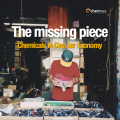
This paper presents case studies of how some of the world’s most well-known brands have set their own internal requirements for chemical contents in their products that go beyond what is required for legal compliance.
This case study examines how the city of Belo Horizonte in Brazil has adopted public mitigation policies, which include adaptation measures to climate change and ways to reduce greenhouse gas emissions and their effects on local and global warming.
This case study from Boulder, Colorado, demonstrates how data analysis, collection and monitoring can bring about effective climate action.
This case study from Mexico provides local governments with examples of how to develop policies and programmes designed to adapt, mitigate and become resilient to climate change based on data.
This case study from Birmingham, England, provides local policy-makers with best-practice examples of how to use data to decarbonize their cities.
The case study summarizes the effort that the Government of the Philippines is taking to fulfill its climate commitments to the Paris Agreement by developing a climate-responsive budget as part of the country’s National Climate Change Action Plan.
This case study explores how the Ceylon Electricity Board (CEB) is working to realize Sri Lanka's ambitious renewable energy goals to ensure a more reliable transition towards a greener future.
This case study summarizes efforts that the sub-national governments of Sri Lanka and Bhutan took to prepare their Climate Resilient Development Action Plans in order to achieving their Nationally Determined Contributions and Sustainable Development Goals.
This report presents a compilation of examples that can inspire the practical implementation of a green recovery, drawing upon measures and instruments that have been deployed in countries worldwide, particularly in developing and emerging economies. The collection comprises 23 examples from more than 19 countries.