
This guidebook was created to provide local governments with a roadmap in enhancing the freight movement and operations with a low-carbon approach aiming to reduce GHG emissions.
Pacific Island Countries and Territories (PICTs) have amassed a huge amount of waste, much of it hazardous, including large amount of plastics. These are wastes are washed into the surrounding seas when tropical cyclones and floods occur. Marine litter continually enters the region on ocean currents from stormwater, fishing vessels, cruise ships and container ships.
The aim of this standard is to define requirements to ensure organic status of textiles, from harvesting of the raw materials, through environmentally and socially responsible manufacturing up to labelling in order to provide a credible assurance to the end consumer.
There are none more pressing issues of global sustainable significance than those relating to a country’s management of the disposal of its environmental pollutants including hazardous waste, radioactive materials and other chemicals. To this end, uniting international communities with the specific objective to ensure the safe and sustainable management of waste and pollution control with due regard for the conservation of biodiversity, the health and wellbeing of its inhabitants, along with mitigating climate change concerns, is of the utmost importance.

As the COVID-19 pandemic is disrupting the lives of people across the globe, it is also affecting waste management. With lock downs and physical distancing, there are challenges with the disruption or failure if urban basis services, including the collection, treatment and disposal of waste which is essential for hygiene and public health.

The MPA Outlook, from the Nairobi Convention and the Western Indian Ocean Marine Science Association, documents progress made by countries in the region towards the achievement of Sustainable Development Goal 14.5 and provides lessons and opportunities to increase momentum for achieving post-2020 Global Biodiversity Framework targets.
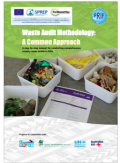
The aim of this study was to develop sustainable solutions and improved resource recovery of primary recyclable commodities present in the solid waste stream in 15 Pacific Island countries and territories.
This guidance was developed by the OECD Ad Hoc Group on Substitution of Harmful Chemicals to advance broader agreement on a general approach and criteria for the selection of safer alternatives, with a focus on chemical substitution.
The CDSB Framework application guidance for water-related disclosures (Water Guidance) will support companies in reporting material water-related information in the mainstream report.
The report comprises materials extracted and summarised from the full E-waste Country Assessments report and provides detail of the five countries assessed by the project: Palau, Marshall Island, Vanuatu, Solomon Island, and Fiji.