
The U.S. energy sector’s shift to clean energy is creating a once-in-a-generation opportunity to build a more just, equitable and sustainable society. This report recommends the clean energy industry adopt five best practices to help ensure that the transition to clean energy in the U.S.

COVID-19 in Asia-Pacific has added to the multitude of risks that the region faces intersecting with natural hazards, conflicts, and fragility. The study highlights learnings from past disasters and features 10 lessons and good practices from Asia-Pacific.
This policy brief aims to provide an analysis of the adverse impacts of the pandemic on the income generation function of forests, and the current and future funding trends for forests. It also proposes measures to finance sustainable forest management, mobilize investment and resources for forests, as a key component for effective post pandemic recovery plans.
This study calls for enhanced sharing of ocean data and stronger investment in national statistical systems for collecting and harmonizing ocean data. It underscores the need for enforcing international conventions, norms and standards in relation to maritime shipping, sustainable fisheries and marine pollution.
This report provides an in-depth analysis of Brazilian rural credit policy and discuss challenges and recent progress in public policy. The analysis benefits from years of research and discussions with policymakers, the private sector, and academic researchers. This report is organized in five chapters.
This study explores crop diversification opportunities to support independent smallholders in Berau for better long-term outcomes, outlining options to push Berau towards economic resilience and achieve its sustainability goals.
The key recommendations for action of the EU Platform on Food Losses and Food Waste address action required by public and private players at each stage of the food supply chain, including food redistribution. The recommendations also include a set of horizontal or ‘cross-cutting’ recommendations, which are common across various stages of the food value chain, often involve multiple actors and are needed to achieve the global food loss and waste targets (SDG Target 12.3).
The Circular Economy Global Sector Best Practices series aims to provide a starting point, background resource, and rich reference source for future efforts to engage Canadian firms and innovators in the journey towards a circular economy, and to build sector-based roadmaps to a circular economy in Canada.
This report introduces the role of climate and energy-economic scenarios in informing climate-aligned policy and strategy.
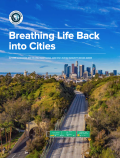
For a few weeks in March and April 2020, the COVID-19 lockdown brought about an unexpected side effect: dramatically cleaner air and endless vistas unlike anything cities have experienced in living memory. As 2020 progressed, the pandemic, the economic downturn, and a growing reckoning with racial injustice in the United States converged to place economic, social, and public health strains on local governments. Efforts are now underway by these governments to help their communities recover. As they do so, there is an opportunity to implement local changes that can deliver multiple community benefits while also helping to accelerate recoveries. There is an opportunity to build back better.
Air quality and equity are highly interconnected issues. And there are actions cities can take to help address them both simultaneously.