
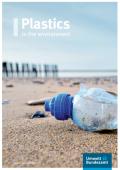
This paper explores where Germany stands on the plastic waste problem and expands on what needs to be done, what are the research needs, and which measures can be implemented to tackle the problem.
In The Recover Better with Sustainable Energy Guide for African Countries, Sustainable Energy for All (SEforALL) sets out clear, practical steps for African countries to follow so they will benefit from increased GDP, affordable energy provision, and improved agriculture, gender and health outcomes - all as they reset their economies and close energy access gaps.
This report reviews examples of policies, regulatory frameworks, utility programmes or other initiatives that have implemented the Efficiency First(E1st) principles in practice.
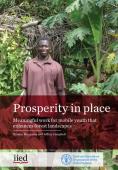
This report explores how forest and farm producer organisations (FFPOs) can best nurture youth and address youth migration.
Over the next decade, banks and the financial sector as a whole will need to show how they are aligning their balance sheets with the UK’s net-zero greenhouse gas emissions target, how they are enabling households and companies to become resilient to climate change impacts, and how the process of often disruptive transition can be steered so that it is fair and inclusive. These goals combine to form the challenge of the just transition, a task that has become even more important with the shock of COVID-19. This report presents research findings and recommendations for how to achieve these aims. It focuses primarily on the role of the UK’s banks and building societies, but it also contains recommendations for other lenders and government at all levels.

The aim of this book is two-fold: to build knowledge of the multiple benefits of energy efficiency and to demonstrate how policy makers and other stakeholders can use existing tools to measure and maximise the benefits they seek.
This guide aims to provide practical and succinct opportunities for incorporating urban climate action and human settlement issues into the current future NDC revision and enhancement process, drawing on existing knowledge and networks.
This report explores environmental, social and governance (ESG) investing in fixed-income markets and examines the evolution of “green” debt from an issuer, investor and regulatory perspective.
This reports points out the gap in access to reliable water supply while frequent and proper handwashing is the most basic frontline defense against the spread of COVID-19. It discusses investment needs to meet the Sustainable Development Goal 6 which ensures availability and sustainable management of water and sanitation for all by 2030.